Facade Signage: How to Choose the Right Sign for Your Business
A good facade sign does more than display your name. It builds recognition, draws customers in and says something about who you are. But with so many options, it can be hard to know what fits best.
What is facade signage?
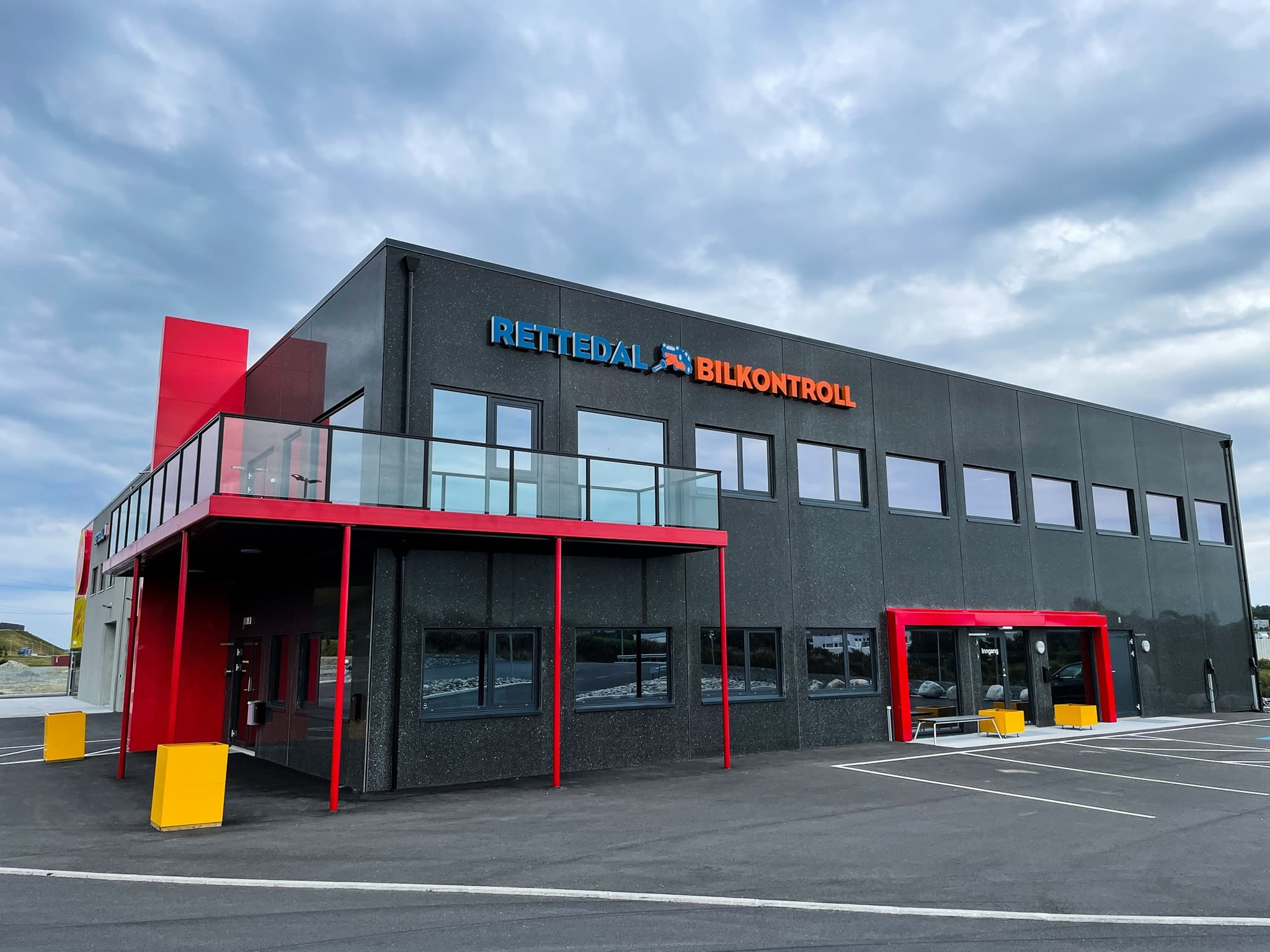
Facade signage refers to signs mounted directly on a building's exterior to make a business visible. It ranges from simple vinyl signs to backlit LED letters.
Why your facade sign matters more than you think
Think about the last time you walked past a shop or office without a sign. Chances are you barely noticed it was there. Your facade sign is the first impression your business gives, and it works for you 24 hours a day, 365 days a year.
A good sign communicates professionalism and credibility. A poor sign, or no sign at all, sends the opposite signal. For many businesses, the facade sign is the most important investment in visibility, especially those that depend on foot traffic.
The most common types of facade signs
LED letters (3D letters)
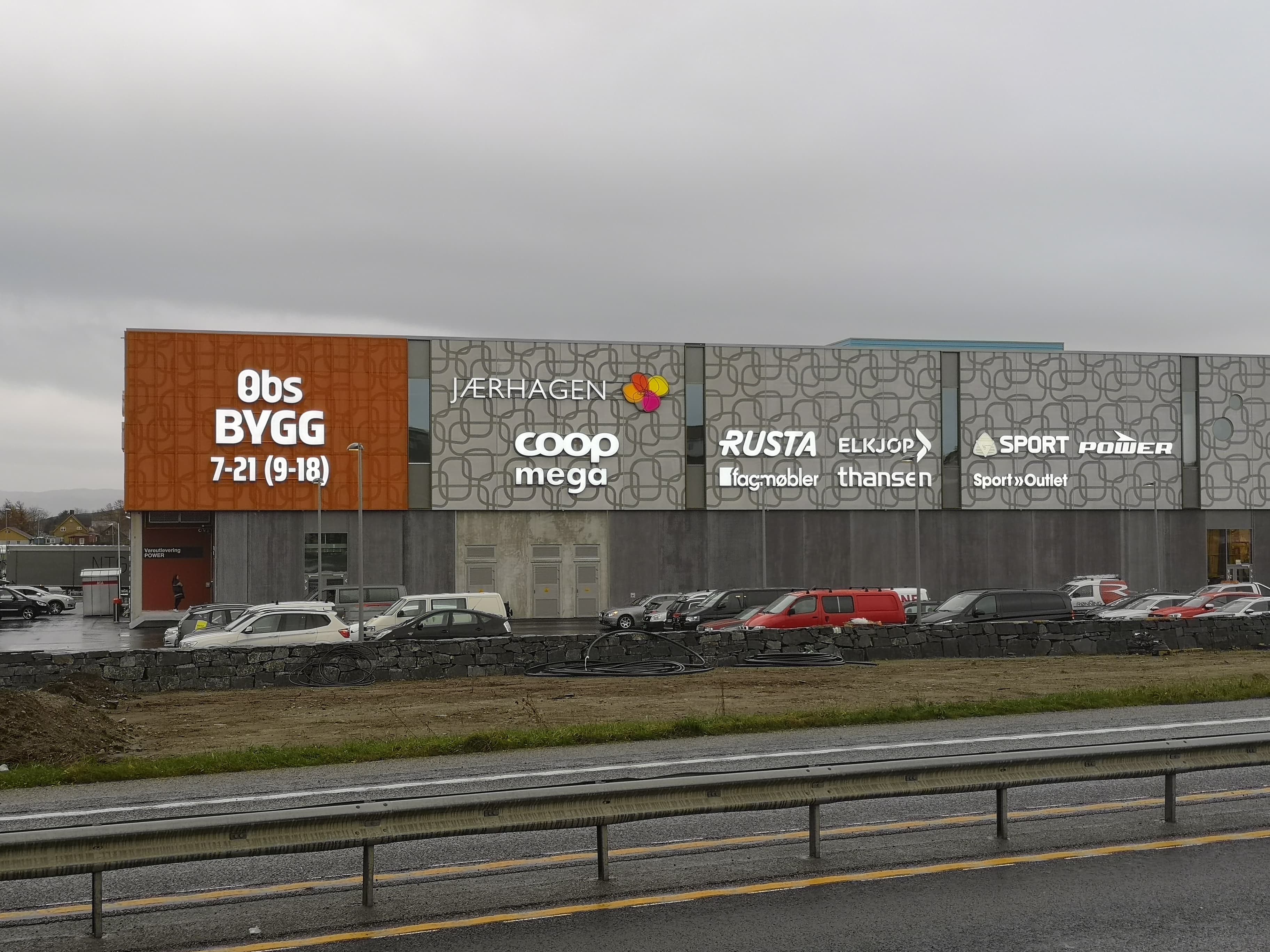
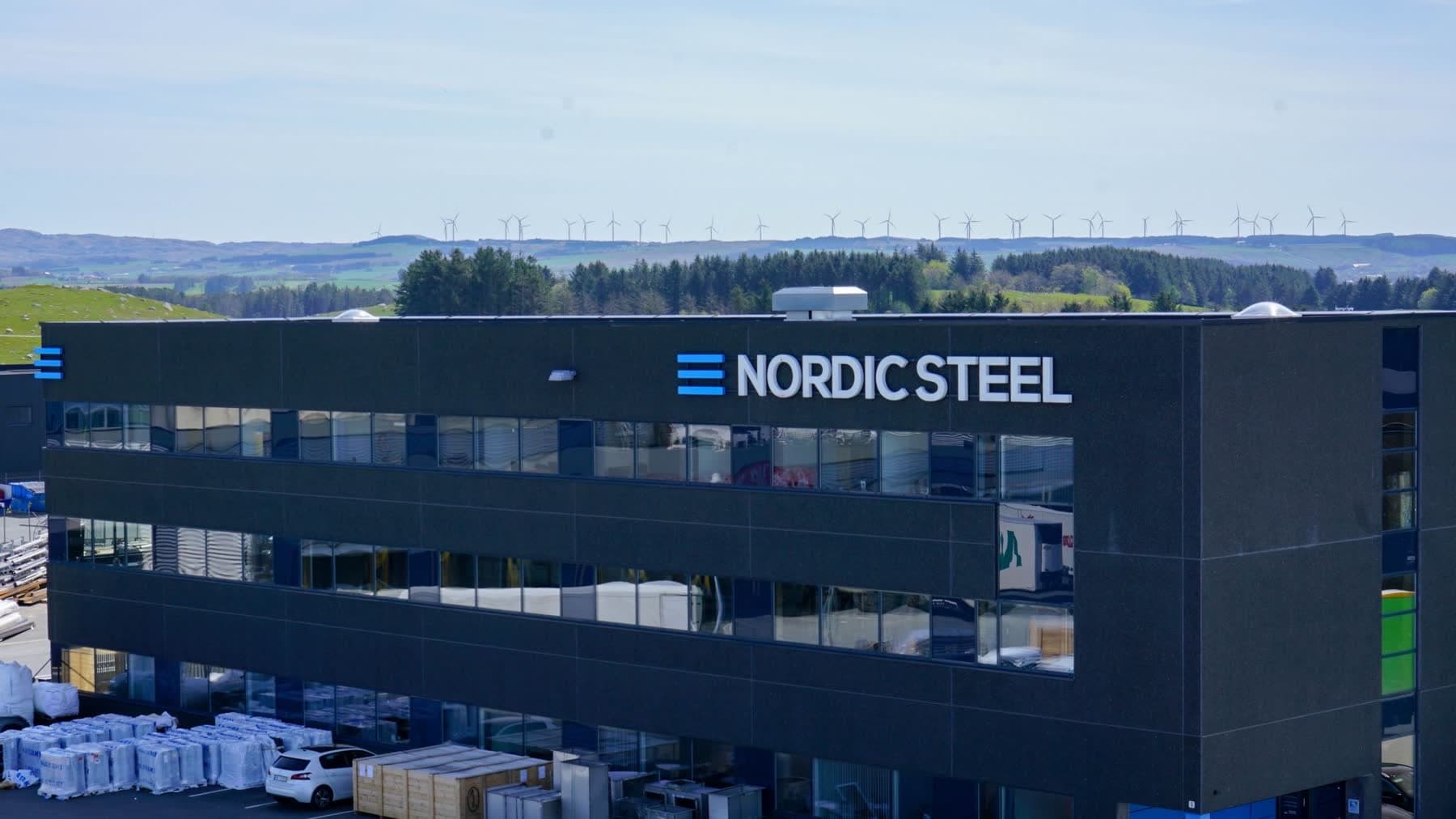
LED letters are freestanding characters mounted directly on the facade. They give a modern, premium look. The letters can be made from aluminium, acrylic or stainless steel, and are illuminated with LED from behind or in front.
Best for: Office buildings, hotels, restaurants and businesses that want a premium appearance.
Advantages:
- Highly visible, day and night
- Long lifespan (LED lasts 50,000+ hours)
- Low power consumption
- Can be customised to nearly any font and colour
Lightbox signs
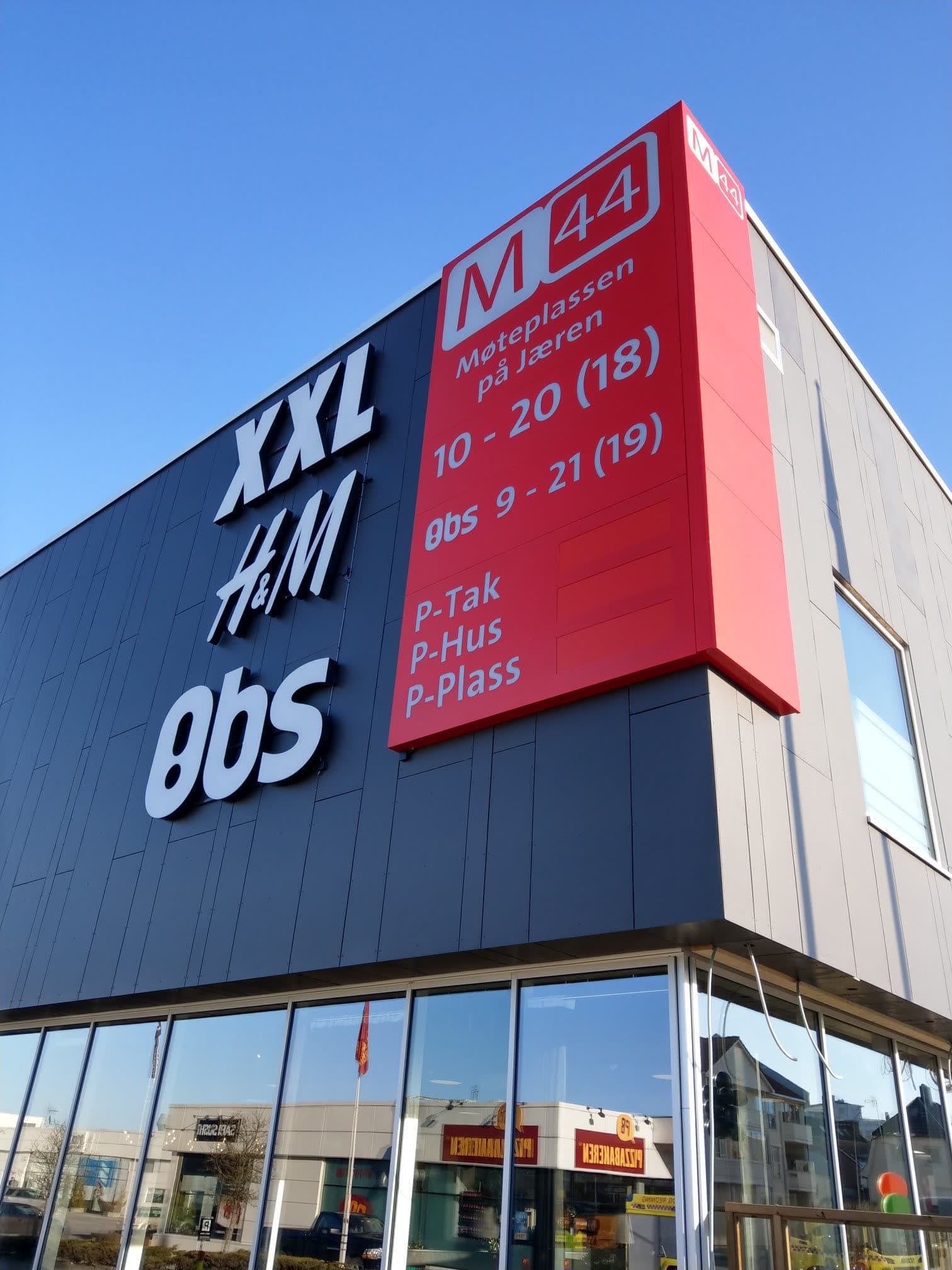
A lightbox is a box with built-in illumination and a printed or cut-out front panel. They come in many shapes and sizes, from simple rectangular boxes to custom-shaped variants.
Best for: Shops, shopping centres, petrol stations and businesses that need high visibility.
Advantages:
- Even, strong illumination
- Withstands weather well
- Easy to maintain
- Relatively affordable compared to 3D letters
Flat signs (non-illuminated)
Flat signs without lighting, made from aluminium, acrylic, dibond or PVC. They can feature applied vinyl graphics, UV printing or routed details.
Best for: Offices, residential associations, medical and dental practices, and locations where the council does not permit illuminated signage.
Advantages:
- Most affordable option
- Clean and professional look
- Often doesn't require a building permit
- Easy to replace
Pylons and freestanding signs
Pylons are tall, freestanding sign structures placed at entrances or along roads. They are especially useful where the building is set back from the road.
Best for: Industrial areas, car dealerships, shopping centres and businesses along main roads.
Materials: what should you choose?
The choice of material affects durability, appearance and price. Here are the most commonly used:
| Material | Durability | Appearance | Price range |
|---|---|---|---|
| Aluminium | 15-20+ years | Modern, clean | Medium-high |
| Acrylic | 10-15 years | Elegant, translucent | Medium |
| Dibond | 10-15 years | Flat, professional | Low-medium |
| Stainless steel | 20+ years | Premium, industrial | High |
| PVC/Forex | 5-8 years | Simple, lightweight | Low |
For outdoor signs, we always recommend aluminium or stainless steel as the base material. They handle Nordic weather without rusting, cracking or fading.
Lighting: LED is the standard
Nearly all illuminated signs today use LED. There are several good reasons:
- Power consumption: LED uses up to 80% less power than traditional fluorescent tubes.
- Lifespan: Expected lifespan of 50,000-100,000 hours. That means 10-15 years of daily use.
- Maintenance: Rarely any need to replace light sources.
- Flexibility: LED can be dimmed, colour-adjusted and programmed.
Solar-powered options also exist for locations without easy access to power, such as construction sites or temporary locations.
Before you order: 5 things to consider
1. Check local regulations
Most municipalities have their own signage guidelines. Some require a building permit, especially for illuminated signs or signs above a certain size. Check the zoning plan for your property or contact the council.
2. Dimensions and placement
Where will the sign be placed? From how far away does it need to be read? A sign by a motorway needs much larger letters than one beside the front door. Rule of thumb: 1 cm letter height per metre of reading distance.
3. Facade material
The sign will be mounted on something. Concrete, brick, wood and steel structures require different mounting methods. Some facades cannot bear heavy loads, which means the sign solution must be adapted.
4. Power connection
Illuminated signs need electricity. Check whether there is an outlet nearby, or whether an electrician needs to run new cabling. This should be planned early to avoid extra costs.
5. Design and brand
The sign should reflect your company's visual identity. Use the correct logo, colours and typeface. A sign that doesn't match the rest of your branding material creates confusion.
From idea to finished sign: the process
At Show Off, we follow a set process for all sign projects:
- Site survey. We visit you and assess the facade, lighting conditions and placement options.
- Design. You receive a visualisation of how the sign will look on your building.
- Building permit. We help with the application if required.
- Production. The sign is produced in our workshop in Sandnes.
- Installation. Our mounting team installs the sign and connects the lighting.
The entire process typically takes 3-6 weeks, depending on complexity and whether a building permit is required. See all our signage solutions for a full overview of what we offer.
Need help with facade signage?
We have delivered signs to everything from small hair salons to large industrial buildings across Norway. Get in touch for a no-obligation site survey and quote, or see examples of previous projects in our signage gallery.
Need help choosing and installing a facade sign? Read about our sign production in Stavanger and Sandnes.
Why Choose Show Off for Signage?
A strong signage project combines design, material knowledge, production, and installation. At Show Off, we help clients from the first evaluation to the finished installation, with production in Sandnes and a clear focus on visibility, durability, and practical use in Norwegian conditions.
That makes it easier to make the right decisions early, whether you need a facade sign, illuminated letters, wayfinding, or a more local signage solution.
Next Step
Need help choosing the right sign type, size, or budget? See our signage services or contact us for a no-obligation review.
More signage articles
More expert articles on signage, facades and installation:

Jan Tore Råen
Partner and signage advisor
Jan Tore works with signage, facade signs, wayfinding, and visual branding for businesses across Norway. He advises on materials, visibility, permit requirements, and installation.
Need help deciding?
Relevant projects
See real client cases and deliveries closely related to the topic of this guide.
Stay updated
Subscribe to our newsletter for tips on branding, wrapping and more.