Illuminated Signs and LED Letters: Why More Businesses Choose Lit Signage
When the sun goes down, unlit signs vanish into darkness. Illuminated signs ensure your business stays visible around the clock, and with today's LED technology it's cheaper and more energy-efficient than ever.
What is an illuminated sign?
An illuminated sign uses LED, neon or fluorescent lighting to remain visible around the clock. LED letters are the most energy-efficient option.
Visibility when it counts
Norway is dark for much of the year. From October to March, days are short and evenings long. For businesses that depend on people finding them, this means an unlit sign is invisible for half the operating hours.
Illuminated signs solve this problem. A lit sign works for you even after the sun has set. It draws attention, builds your brand and makes it easier for customers to find their way.
Three main types of illuminated signs
1. LED letters with backlighting (halo effect)
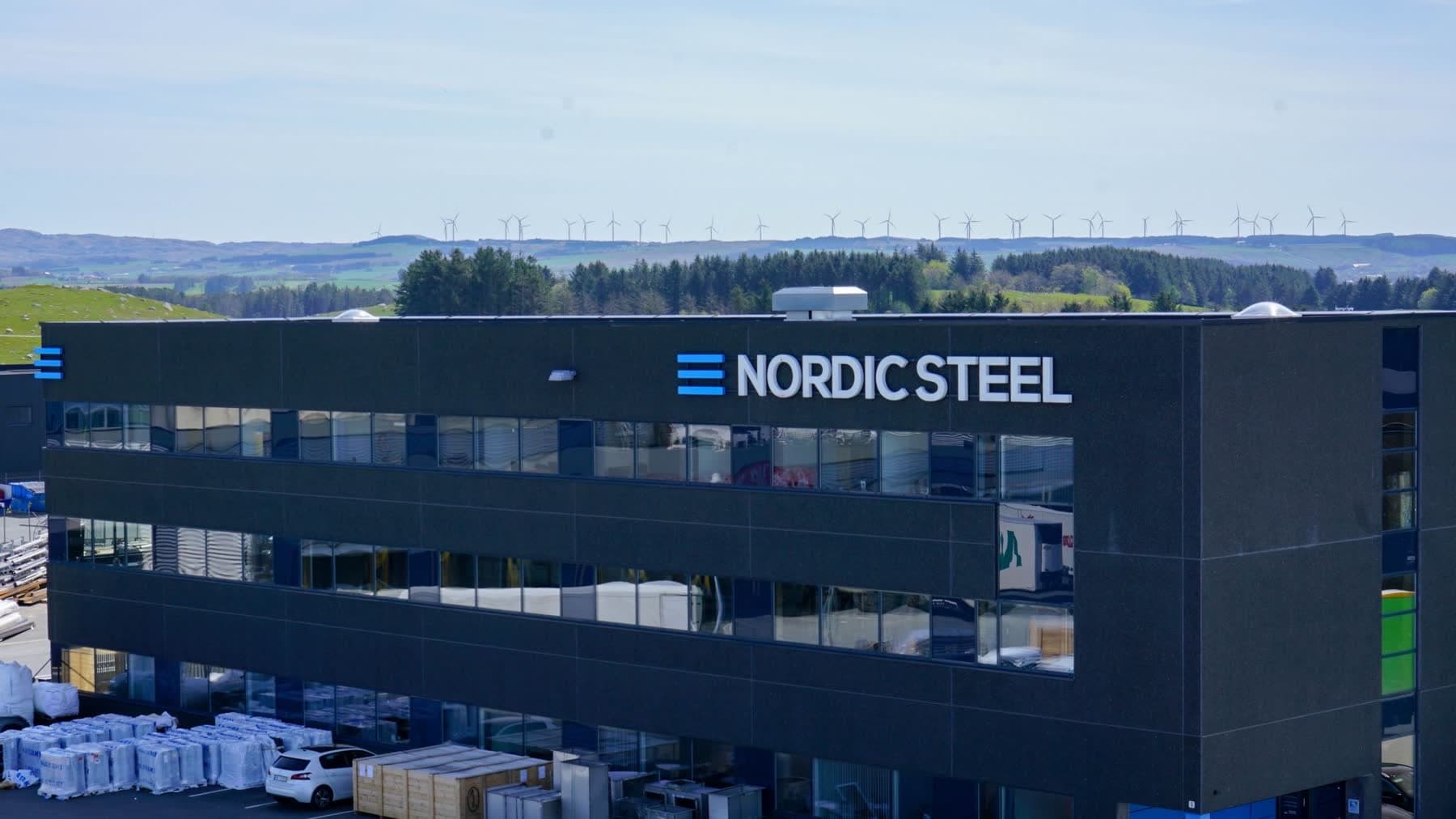
LED letters where the light shines backward against the wall create an elegant glowing effect around each letter. This solution is often called "halo lighting" and gives a sophisticated, understated look.
Characteristics:
- The letters themselves are unlit, but surrounded by a light halo
- Works best on dark facades where the contrast stands out
- Gives a premium, exclusive impression
- Popular among hotels, law firms and brands wanting a refined look
2. LED letters with front lighting
Here the LED shines through the front of the letters. The letters typically have an acrylic face in the desired colour, with LED modules inside providing even, strong illumination.
Characteristics:
- Highly visible, even from a distance
- Letters glow in the company's brand colours
- Works well on all types of facades
- The most common choice for shops and commercial premises
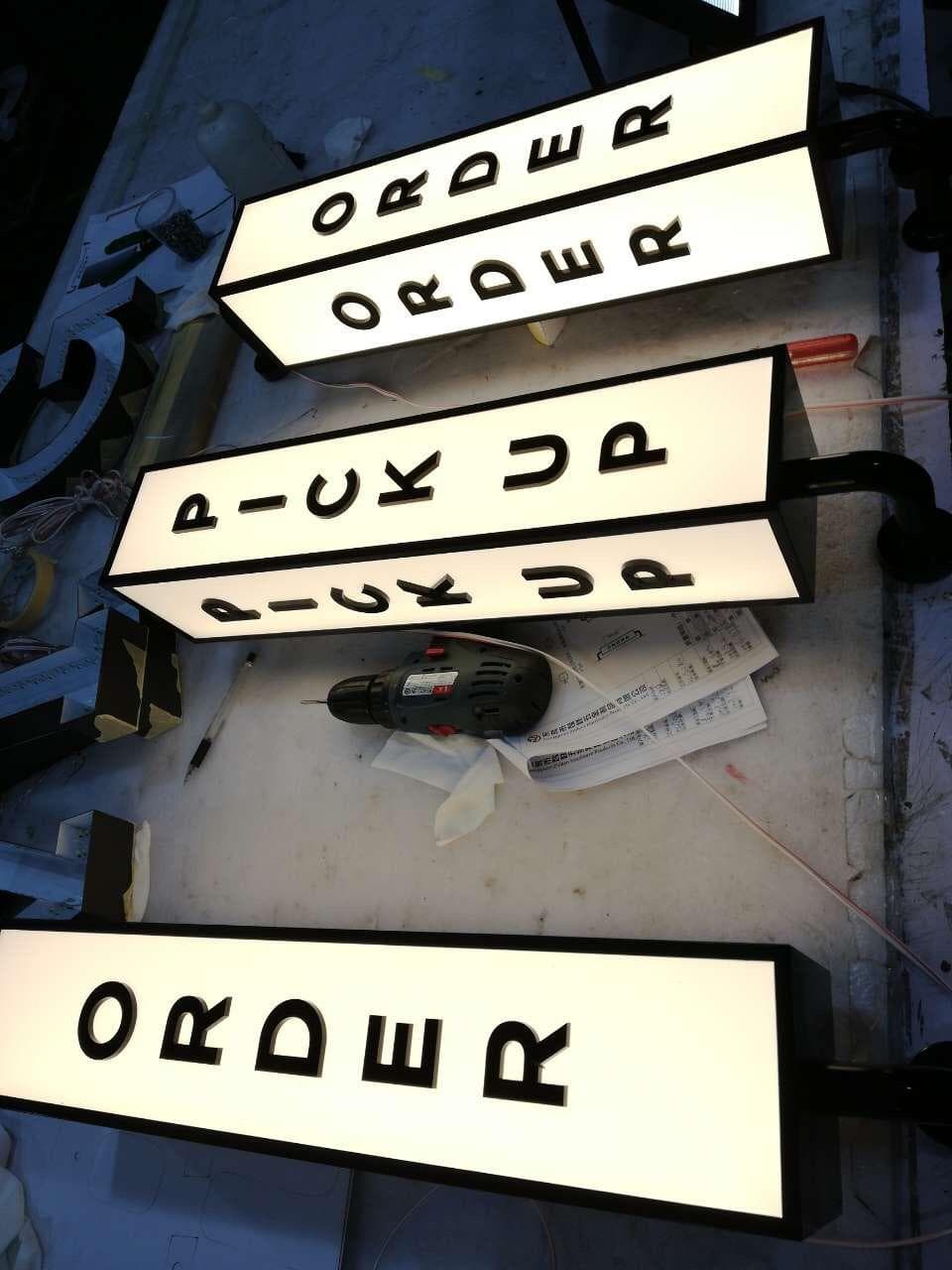
3. Lightbox signs
A lightbox is a sign where the entire surface is illuminated from within. It can be a rectangular box with a logo print, or a custom shape that follows the logo's contours.
Characteristics:
- Large, visible illuminated area
- Most affordable illuminated option for large formats
- Easy to update with new vinyl or print
- Well suited for petrol stations, shopping centres and hardware stores
LED vs. fluorescent tubes: why LED won
Fifteen years ago, most illuminated signs used fluorescent tubes. Today, LED is the clear standard. Here's why:
Energy consumption. LED uses 60-80% less electricity than fluorescent tubes. For a sign that runs 12-16 hours a day, that means noticeable savings on the power bill.
Lifespan. An LED module lasts 50,000 to 100,000 operating hours. Fluorescent tubes need replacing after 10,000-15,000 hours. Over the sign's lifetime, you avoid several costly service call-outs.
Uniformity. LED provides even illumination without "dead zones" or flickering. Fluorescent tubes can develop visible dark patches as they age.
Environment. LED contains no mercury or other environmental toxins, unlike fluorescent tubes that require special waste handling.
Colour rendering. LED is available in a wide spectrum of colour temperatures and can match your brand colours precisely.
Neon signs: nostalgia or smart choice?
Neon signs have experienced a renaissance in recent years, especially in restaurants, bars and creative industries. Modern "neon" is typically LED neon — LED strips in flexible silicone tubes that mimic the classic neon look.
Real neon uses glass tubes filled with neon or argon gas. It gives a unique, warm light, but is expensive to produce, fragile and requires specialist maintenance.
LED neon is cheaper, durable and gives nearly the same visual effect. For most businesses, LED neon is the right choice. Real neon may be relevant for special interior projects where authenticity matters.
What does an illuminated sign cost?
The price depends on several factors:
- Size: Larger signs cost more, both in materials and installation.
- Type: LED letters cost more per letter than lightboxes, but give a more exclusive look.
- Number of letters: More letters means a higher price. Some choose to only illuminate the logo symbol and leave the text unlit.
- Installation: Height, accessibility and facade material affect mounting costs. Some jobs require a cherry picker or scaffolding.
- Power: If there is no power outlet near the sign location, an electrician must run cabling.
As a rough guide, you can expect:
| Type | Price from |
|---|---|
| Lightbox (2-3 metres wide) | NOK 15,000-30,000 |
| LED letters (company name, 5-8 letters) | From NOK 15,000 |
| Larger sign projects with pylons | From NOK 50,000 |
These prices include design, production and installation. Contact us for a specific quote based on your needs. For a full overview of what different sign types cost, see our guide to advertising signs, types and prices.
Maintenance of illuminated signs
One of the biggest advantages of LED illuminated signs is that they require minimal maintenance. However, we recommend:
- Annual visual check to ensure all LED modules are working and the sign is clean.
- Cleaning with mild soapy water and a soft cloth 1-2 times per year. Avoid pressure washers directly on the sign.
- Checking mounting points to ensure the installation is still solid, especially after storms.
With normal use, an LED illuminated sign needs no service costs for the first 8-10 years.
Building permits for illuminated signs
Most municipalities require a building permit for illuminated signs. The process varies, but typically you need:
- A drawing of the sign with dimensions
- A photo montage showing the sign on the building
- A site plan showing the placement
- Possibly consent from the building owner
Processing time is usually 3-8 weeks. At Show Off, we help with the entire application process, so you don't have to navigate the regulations yourself.
Is an illuminated sign right for your business?
If you answer yes to one or more of these questions, you should consider an illuminated sign:
- Does your business have opening hours beyond daylight?
- Is your premises on a busy street where you compete for attention?
- Is brand building important for your business?
- Do you want to be visible to motorists driving past?
See examples of illuminated signs we have delivered, or get in touch for a no-obligation chat about the possibilities. We deliver and install illuminated signs across Rogaland. See all our signage solutions or read more about sign production in Stavanger and Sandnes.
Why Choose Show Off for Signage?
A strong signage project combines design, material knowledge, production, and installation. At Show Off, we help clients from the first evaluation to the finished installation, with production in Sandnes and a clear focus on visibility, durability, and practical use in Norwegian conditions.
That makes it easier to make the right decisions early, whether you need a facade sign, illuminated letters, wayfinding, or a more local signage solution.
Next Step
Need help choosing the right sign type, size, or budget? See our signage services or contact us for a no-obligation review.
More signage articles
More expert articles on signage, facades and installation:

Jan Tore Råen
Partner and signage advisor
Jan Tore works with signage, facade signs, wayfinding, and visual branding for businesses across Norway. He advises on materials, visibility, permit requirements, and installation.
Need help deciding?
Relevant projects
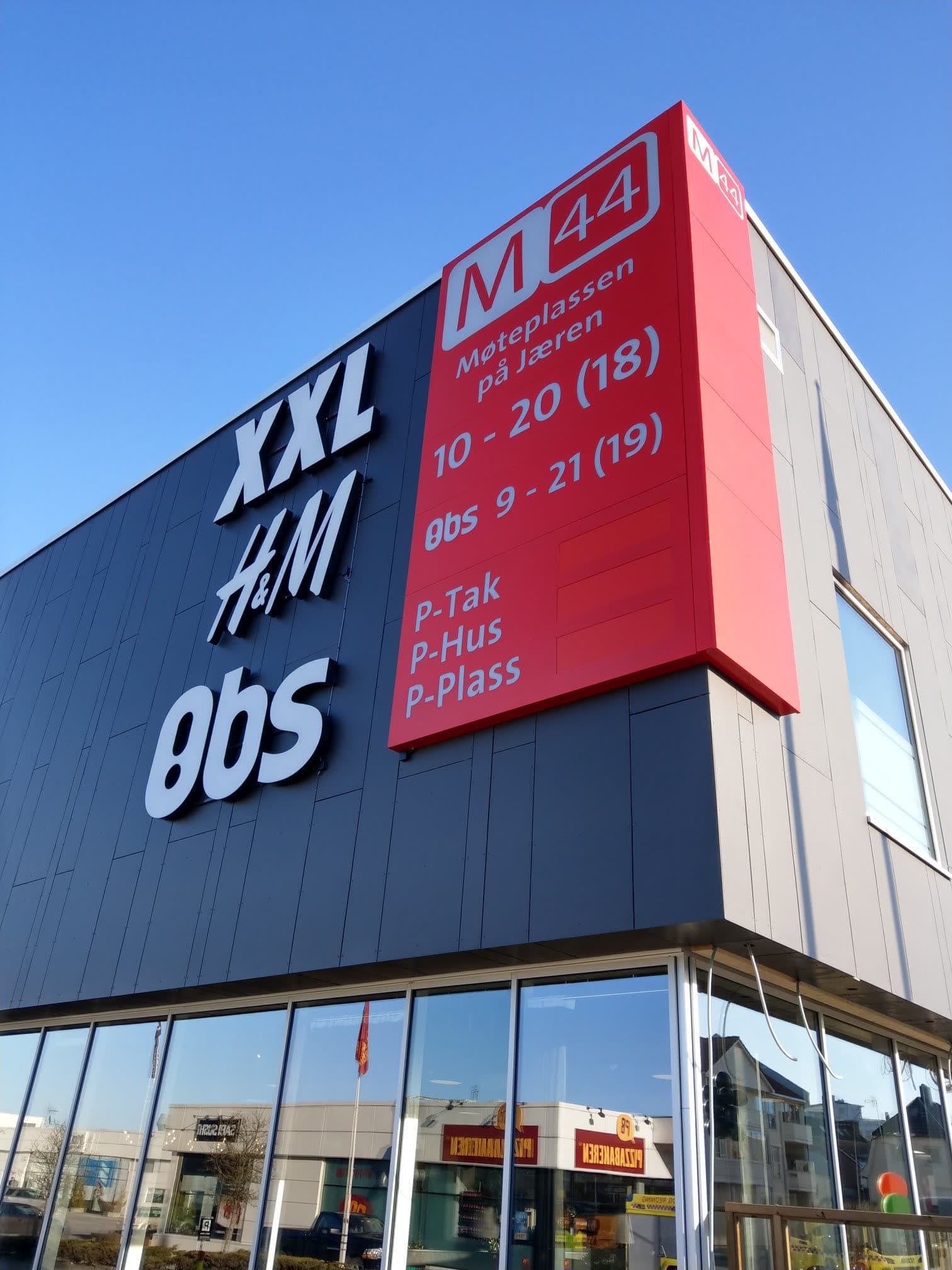
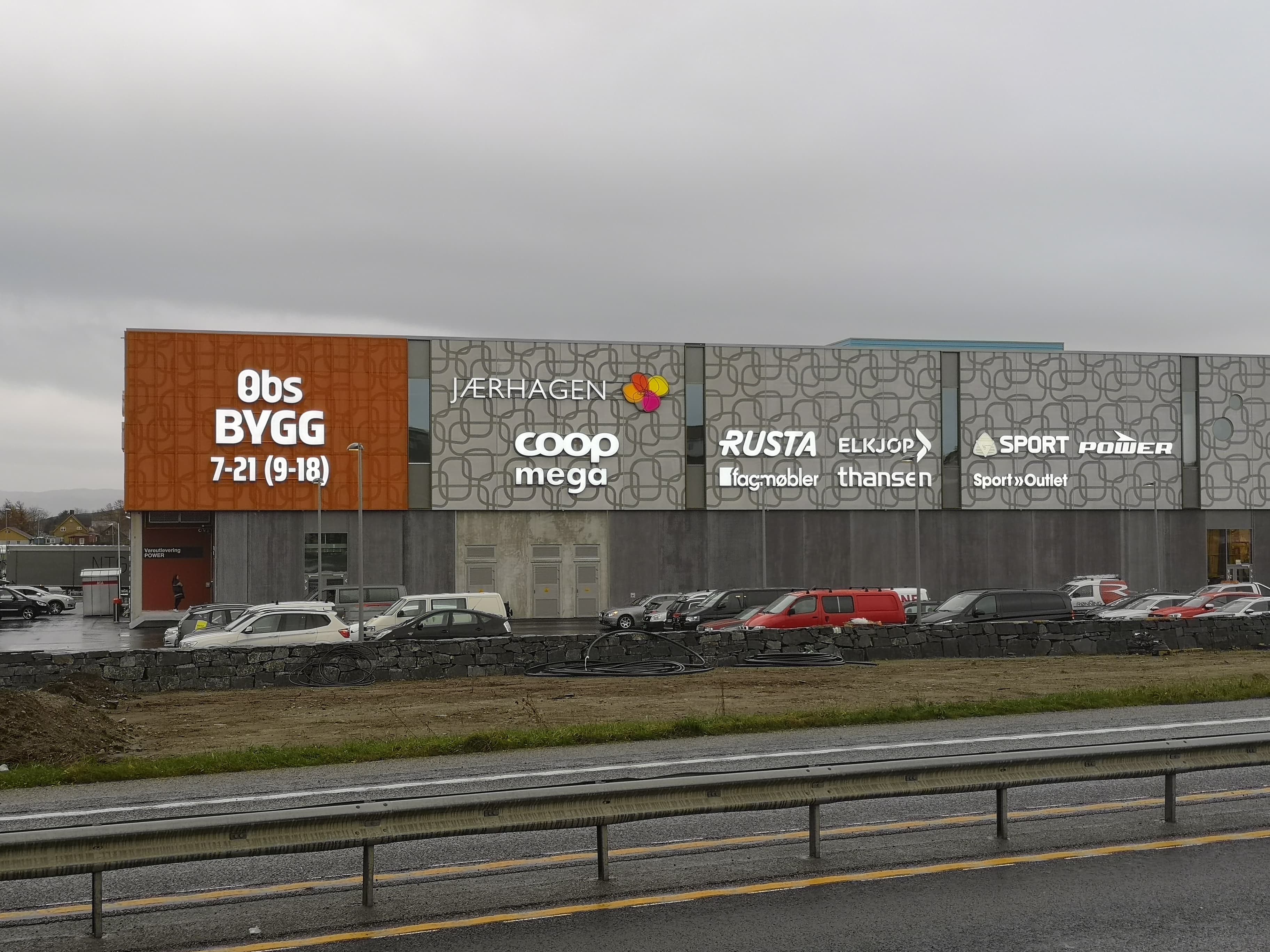
See real client cases and deliveries closely related to the topic of this guide.
Stay updated
Subscribe to our newsletter for tips on branding, wrapping and more.