
Interior Signs and Wayfinding for Offices and Commercial Buildings
Interior signs help visitors find their way without asking. We supply room signs, directional signs, floor directories and reception signs for offices, shopping centres and commercial buildings across Norway.
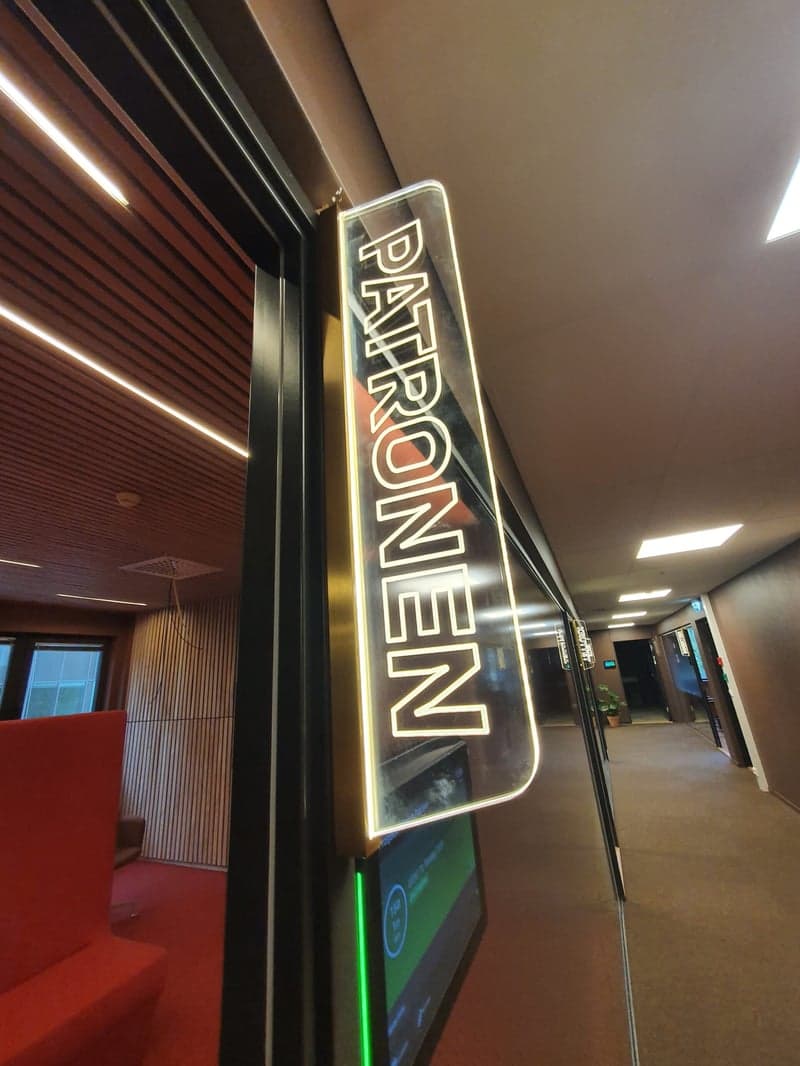
When visitors can't find their way, you have a signage problem
Think about the last time you visited an office building you'd never been to before. You stood in reception looking for the department you needed. Maybe there was a sign, maybe there wasn't. Good wayfinding removes that uncertainty. Visitors find their way independently, staff don't have to act as guides, and the building feels organised and professional.
Show Off supplies interior signs and wayfinding systems for offices, shopping centres, hospitals, schools and commercial buildings. We design, produce and install from our workshop in Sandnes. See our commercial service for wayfinding and complete sign plans, or get in touch for a no-obligation site survey.
What are wayfinding signs?
Wayfinding signs are a collective term for all signage that helps people navigate inside a building. This includes directional signs in corridors, room signs on doors, floor directories near lifts and stairs, and information boards in common areas. The goal is simple: visitors should find the right room without asking anyone.
A good wayfinding system is thought through from start to finish. It begins at the car park or main entrance and guides the visitor all the way to the right door. The signs use consistent colours, fonts and pictograms so they are easy to understand.
Types of interior signs
Reception signs and logo signs
The reception sign is the first thing visitors see. A 3D logo in aluminium or acrylic, mounted on the wall behind the reception desk, sets the tone for the entire experience. Backlit logos give an especially premium impression. Many choose to combine the logo with the company name in separate letters.
Price: from NOK 10,000 for a simple 3D logo, up to NOK 40,000 for a large backlit installation. Depends on size, material and type of lighting.
Room signs and door signs
Room signs are mounted beside or on doors and indicate who sits there or what the room is used for. Typical formats are 15x5 cm nameplates and 20x15 cm room signs showing room number and function.
For offices with frequent changes, signs with replaceable inserts are practical. The sign has a fixed frame in aluminium or acrylic, and the name card can be swapped without tools.
Price: from NOK 500 for simple engraved nameplates, NOK 1,000 to 3,000 for designed signs with replaceable name inserts.
Directional signs
Directional signs hang from ceilings or mount on walls, showing the way to various departments, meeting rooms or exits. Arrows and pictograms make the signs intuitive. In large buildings with many tenants, consistent directional signs are essential for helping people find their way.
Price: NOK 2,000 to 8,000 per sign, depending on size, material and number of information fields.
Floor directories
Floor directories are placed at main entrances, lifts and stairwells. They give an overview of all tenants and departments floor by floor. A good floor directory works like a map and reduces the need for staffing at reception.
For buildings with many tenants, magnetic or modular boards are a good choice, making it easy to update information when tenants change.
Parking and garage signs
Car parks and garages need clear signage to function properly. Zone numbering, direction of travel, reserved spaces and pedestrian routes to lifts. Reflective materials and good contrast are important in areas with poor lighting.
Toilet signs
Simple, but essential. Toilet signs with pictograms for women, men and accessible facilities. Universal design requirements mean tactile symbols and braille must be included on toilet signs in public buildings.
Safety signs and emergency exit signs
Emergency exit signs, fire extinguisher markings and assembly points. These signs are required by law and must comply with NS standards. We supply approved safety and emergency exit signs as part of a complete interior sign system.
Materials for interior signs
The choice of material affects appearance, durability and price. Here are the most common options:
| Material | Properties | Suitable for |
|---|---|---|
| Aluminium | Durable, modern look, brushed or lacquered | Directional signs, room signs, facade signs |
| Acrylic | Transparent or coloured, can be backlit | Logo signs, reception, premium room signs |
| Glass | Elegant, minimalist | Reception, meeting rooms, main entrance |
| Wood | Warm, natural feel | Hotels, restaurants, creative offices |
| Dibond | Lightweight, rigid, excellent print quality | Information boards, floor directories |
| Digital screens | Dynamic content, remote updates | Reception, common areas, meeting room displays |
Many choose to combine materials. A reception logo in acrylic on a wooden wall, or aluminium signs with a glass insert. We match the material choice to the building's interior and the company's visual identity.
Universal design: requirements for interior signs
Norwegian anti-discrimination and accessibility law requires that buildings open to the public be accessible to all. For signage this means:
Tactile marking. Signs must have raised letters and symbols that can be read by touch. Braille must be included on signs identifying rooms and functions.
Contrast. Text and background must have sufficient luminance contrast. Dark text on a light background (or vice versa) with a minimum contrast value of 0.8 per NS 11001.
Placement. Tactile signs are mounted at a height of 1.4 to 1.6 metres, where they are accessible to wheelchair users and the visually impaired.
Legibility. Font size matched to reading distance. Use of simple, easy-to-read fonts without serifs.
We supply signs that meet the requirements of TEK17 and NS 11001. Contact us if you are unsure what is required for your building.
Planning a wayfinding system
A successful wayfinding system starts with planning, not with ordering signs. Here is how we work:
1. Traffic flow analysis
We map how visitors move through the building. Where do they enter? What are the most common destinations? Where do people stop and get confused? This analysis determines where signs should be placed and what they should say.
2. Visitor perspective
We think like a first-time visitor. Someone who has never been in the building before should be able to find their way using only the signs. That means information must come in the right order, in the right place.
3. Consistent design system
All signs in the building use the same colour palette, typography and pictograms. Consistency makes the system intuitive. Visitors quickly learn to recognise the signs and understand what they communicate.
4. Hierarchy and zone planning
Large buildings are divided into zones with their own colours or codes. Floors can have different colours, or departments can be marked with different colour stripes. The hierarchy makes navigation easier: first find the right zone, then the right corridor, and finally the right room.
5. Installation and adjustment
After installation we walk through the entire system. We check that signs are visible from the right angles, that the information is correct, and that nothing is missing. Often a few signs are adjusted after people have started using the building.
How much do interior signs cost?
Prices vary with material, size and complexity. Here are typical price examples:
| Sign type | From price | Typical range |
|---|---|---|
| Door sign / nameplate (engraved) | NOK 500 | NOK 500 - 1,500 |
| Room sign with replaceable insert | NOK 1,000 | NOK 1,000 - 3,000 |
| Directional sign (ceiling or wall mounted) | NOK 2,000 | NOK 2,000 - 8,000 |
| Floor directory (modular) | NOK 5,000 | NOK 5,000 - 15,000 |
| Reception logo, 3D without lighting | NOK 10,000 | NOK 10,000 - 20,000 |
| Reception logo, backlit | NOK 15,000 | NOK 20,000 - 40,000 |
| Complete wayfinding package (small office) | NOK 25,000 | NOK 25,000 - 50,000 |
| Complete wayfinding package (commercial building) | NOK 60,000 | NOK 60,000 - 150,000 |
All prices excl. VAT. Includes design and installation. Volume discounts available when ordering many signs for the same building.
How we work with interior signs
- Site survey. We visit the building and map requirements. How many signs are needed, which materials suit the space, and what does universal design require?
- Design proposal. You receive a complete proposal with sign placement, material choices and visual profile. Everything is adapted to your company's design guidelines.
- Production. Signs are produced in our workshop in Sandnes. We check the quality of each sign before delivery.
- Installation. We install all signs in the correct locations. After installation we walk through the system together with you.
Read more about signs
Get a quote for interior signs
Call Jan Tore on 919 22 332 or send a message through the contact form. We will give you a no-obligation quote with a site survey, design proposal and fixed price.
Contact us | See all sign prices | Construction site sign calculator
Why Choose Show Off for Signage?
A strong signage project combines design, material knowledge, production, and installation. At Show Off, we help clients from the first evaluation to the finished installation, with production in Sandnes and a clear focus on visibility, durability, and practical use in Norwegian conditions.
That makes it easier to make the right decisions early, whether you need a facade sign, illuminated letters, wayfinding, or a more local signage solution.
Next Step
Need help choosing the right sign type, size, or budget? See our signage services or contact us for a no-obligation review.
More signage articles
More expert articles on signage, facades and installation:

Jan Tore Råen
Partner and signage advisor
Jan Tore works with signage, facade signs, wayfinding, and visual branding for businesses across Norway. He advises on materials, visibility, permit requirements, and installation.
Relevant projects
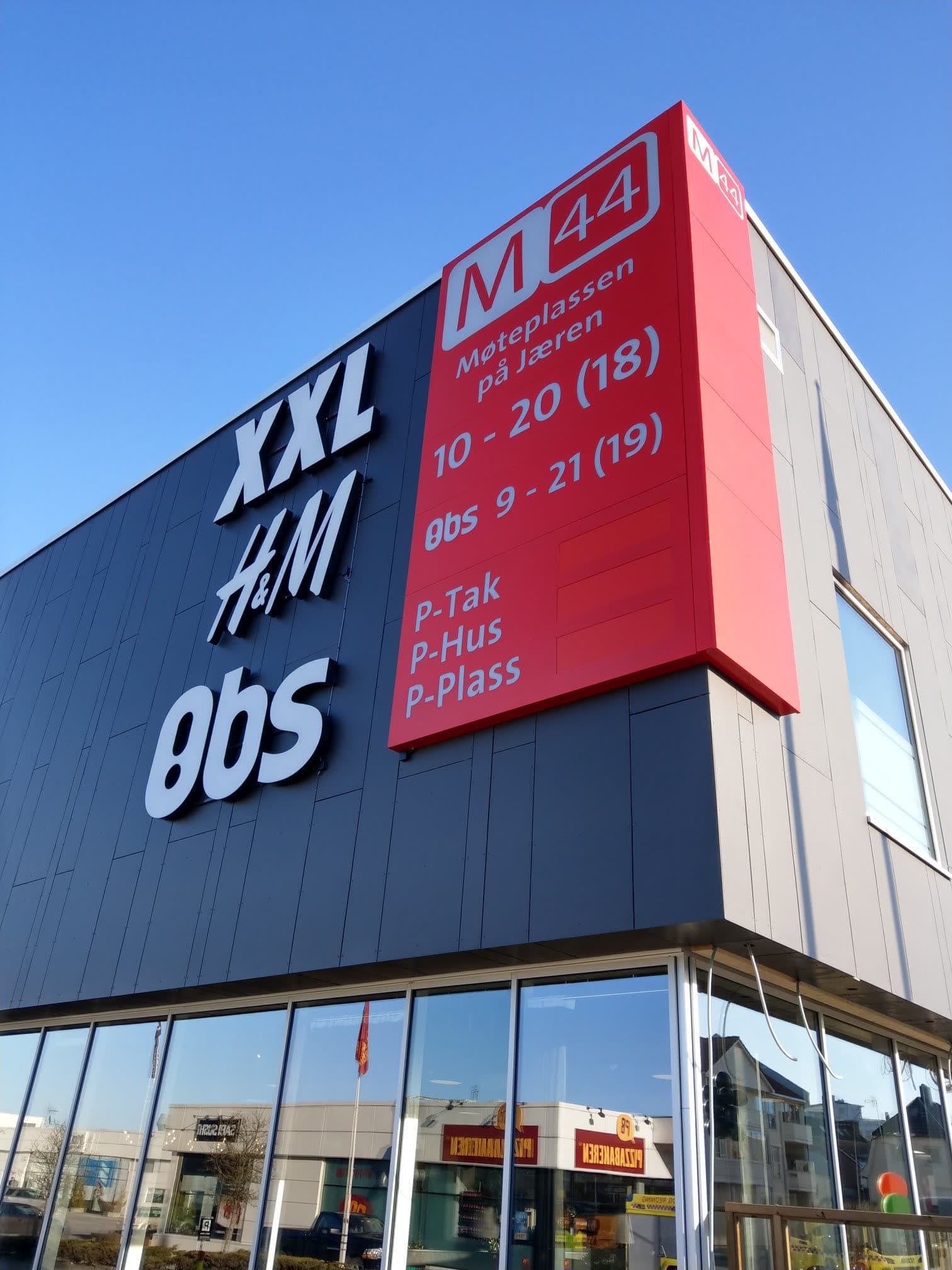
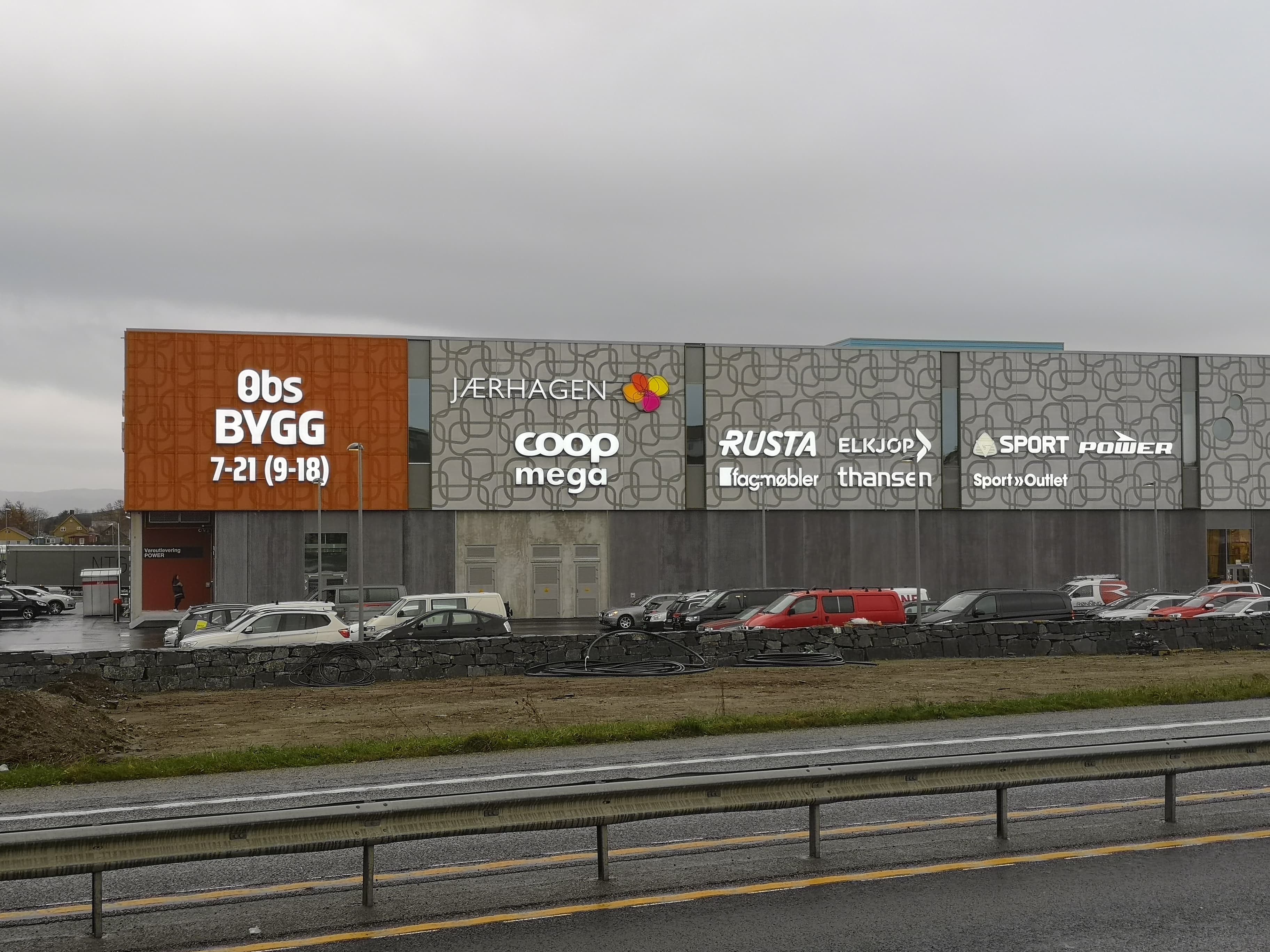
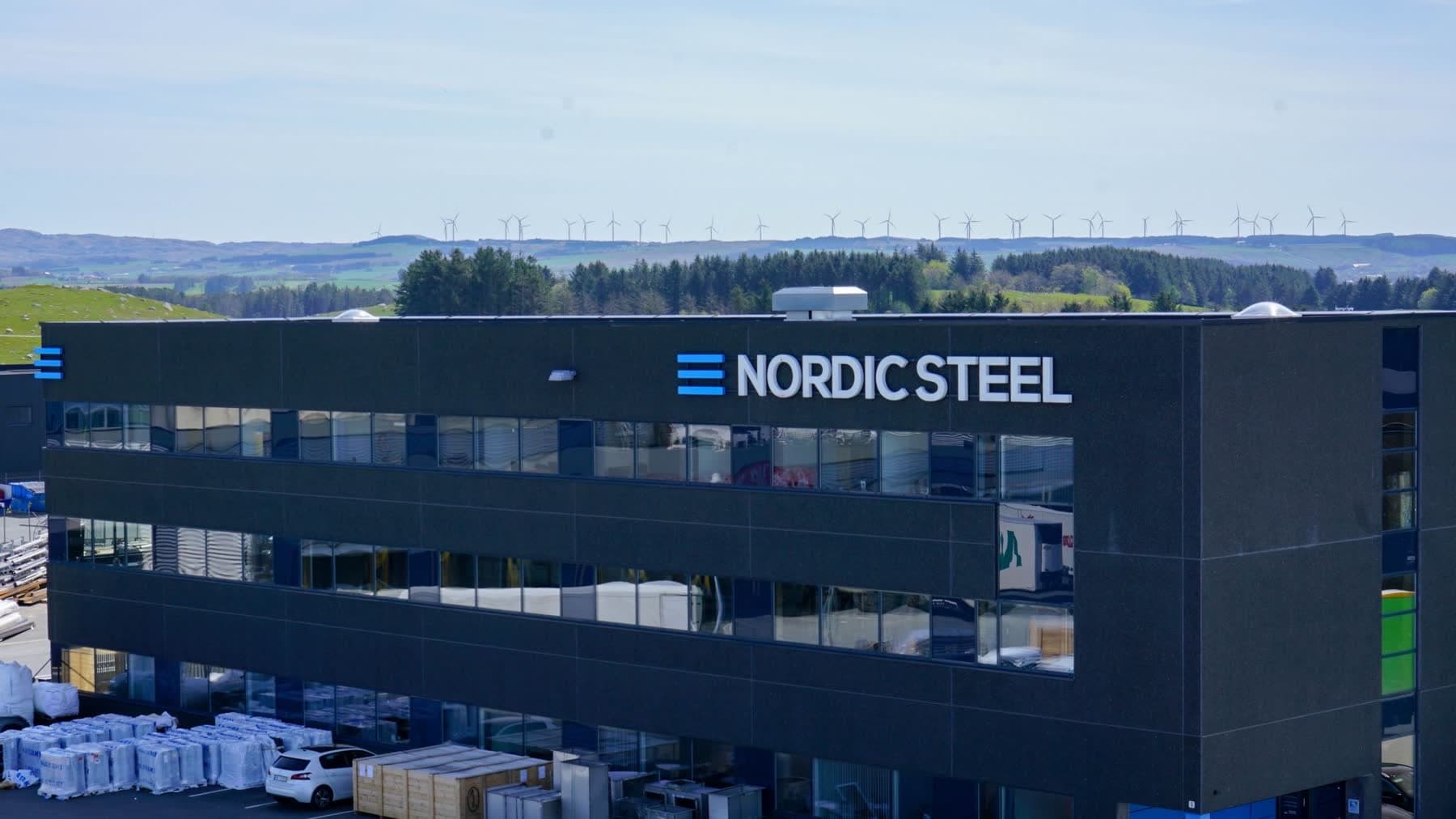
See real client cases and deliveries closely related to the topic of this guide.
Stay updated
Subscribe to our newsletter for tips on branding, wrapping and more.