
Trade Show Trends 2026: Technology, Sustainability and Experience Design
The exhibition industry is evolving rapidly. From AI-driven visitor analytics to sustainable materials and immersive experiences — here are the trends defining trade show stands in 2026.
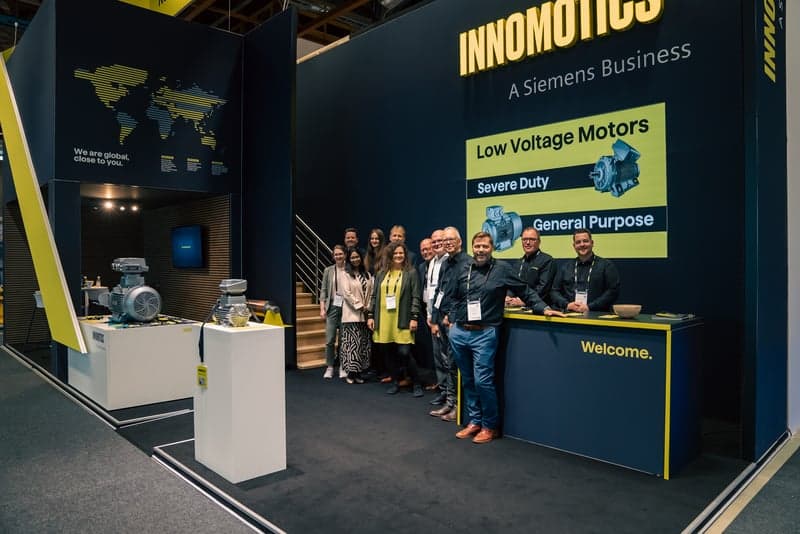
The exhibition industry never stands still. Every year, new trends reshape how businesses present themselves on the exhibition floor. In 2026, three forces are driving change: technology, sustainability and experience design.
Here are the trends you need to know when planning your next trade show stand.
1. LED Walls Are Replacing Traditional Graphics
The most visible trend at trade shows in recent years is the shift from printed graphics to LED screens and video walls. In 2026, this is no longer reserved for the largest exhibitors.
Why LED Dominates
- Dynamic content — switch between product demos, brand films, customer stories and live data. Printed graphics are static; an LED wall can tell a new story every minute.
- Attention factor — moving images capture attention in a sea of static stands. Studies show that digital displays attract 400% more attention than print.
- Reusability — one LED wall can be used at countless exhibitions with new content. No reprinting between events.
How to Use It Smartly
Do not fill the LED wall with your company logo on a loop. Use it to tell stories: Show projects in action, let customers speak, or run live data from your products. The content is as important as the technology.
2. Sustainable Materials and Reusable Design
Sustainability is no longer a bonus — it is an expectation. More event organisers are requiring reuse and material quality, and visitors notice businesses that take environmental responsibility seriously.
What Does This Mean in Practice?
- Reusable stand systems — modular elements that are assembled, disassembled and reused without material waste. Aluminium frames, textile walls.
- FSC-certified wood and recycled materials — timber and metal with documented origins replace disposable foam boards.
- Plant-based elements — living plants and moss are not just decoration. They improve air quality, dampen noise and give the stand a warm, natural atmosphere.
- Less waste — digital printing on washable, reusable textiles replaces single-use vinyl. LED replaces printed graphics that are discarded after use.
Communicate It Without Overdoing It
Visitors appreciate sustainability, but they react negatively to greenwashing. Show what you are doing concretely instead of hanging up a "we care about the environment" banner. A good example: Use the materials list as a conversation topic at the stand.
3. Experience Design Over Product Display
The traditional exhibition formula — counter, rollup, brochure — works less well every year. In 2026, it is about creating experiences that engage multiple senses.
From Display to Experience
- Immersive zones — instead of showing a product behind a display case, let visitors experience it. VR demos, interactive simulators and hands-on test stations are standard at the best stands.
- Sound design — ambient sound creates atmosphere and defines the space. A subtle soundscape can reinforce the brand experience without disturbing neighbouring stands.
- Scent marketing — yes, it is a thing. Some exhibitors use subtle scents to create a specific atmosphere. Coffee, wood, ocean — smell reinforces memories and connection.
- Lighting design — intelligent lighting that changes throughout the day or responds to activity. Light is one of the most underrated tools in stand design.
What Does This Mean for the Budget?
Experience design does not need to cost more than traditional displays. It is often about smarter prioritisation of the budget: Spend less on large printed surfaces and more on interactive elements that create conversations. A small stand with a brilliant demo beats a large stand with empty walls.
4. AI and Data at Trade Shows
Artificial intelligence has arrived at trade shows — not as exhibited technology, but as a tool for exhibitors themselves.
How AI Is Used in 2026
- Visitor analytics — camera-based technology counts visitors, measures dwell time and identifies popular zones within the stand. This provides concrete data to improve stand design for the next exhibition.
- Lead qualification — AI tools analyse conversations and badge scans to rank leads by conversion probability. The sales team knows who to follow up with first.
- Personalised content — screens that adapt content based on who is viewing. A technical visitor sees specifications; a buyer sees the price advantages.
- Chatbots and virtual assistants — interactive screens with AI-powered assistants that answer questions and book meetings when staff are busy.
Start Simple
You do not need a large AI project to benefit from this trend. Begin with systematic data collection: Use lead-capture apps, scan badges, and analyse traffic patterns. The data you gather in 2026 makes the next exhibition better.
How to Stay Relevant
The trends point in one direction: more experience, more data, more sustainability. But that does not mean you need to do everything at once. Choose one or two trends that fit your business and objectives, and implement them properly.
A small stand with one smart technology integration and a considered sustainability profile makes more impact than a large stand that tries to do everything half-heartedly.
Need Help Keeping Up?
At Show Off AS, we follow the trends closely and integrate new solutions into our stand designs. Whether you want to explore LED walls, sustainable materials or AI-driven visitor analytics, we help you find the solution that delivers the most value.
Get in touch for a conversation about how to make your next trade show stand future-proof.
Why Choose Show Off as Your Exhibition Partner?
A stand that looks good in a render is not enough. What matters is project management, design judgement, and execution on the show floor. Show Off works across concept development, production, logistics, and installation in Norway and internationally.
For clients, that means one partner who understands both the creative side and the practical side. It reduces friction and makes it more likely that the stand will perform in the real world, not just on paper.
Next Step
Planning an exhibition and want to know what will create the most impact for the budget? See our trade show services or contact us for a practical assessment.
More exhibition stand articles
More expert articles on exhibition stands, trade shows and strategy:

Dennis Halvorsen
Managing Director and exhibition project advisor
Dennis writes about trade shows, international exhibitions, project management, and how brands use physical spaces and events to build visibility and demand.
Need help deciding?
Relevant projects
See real client cases and deliveries closely related to the topic of this guide.
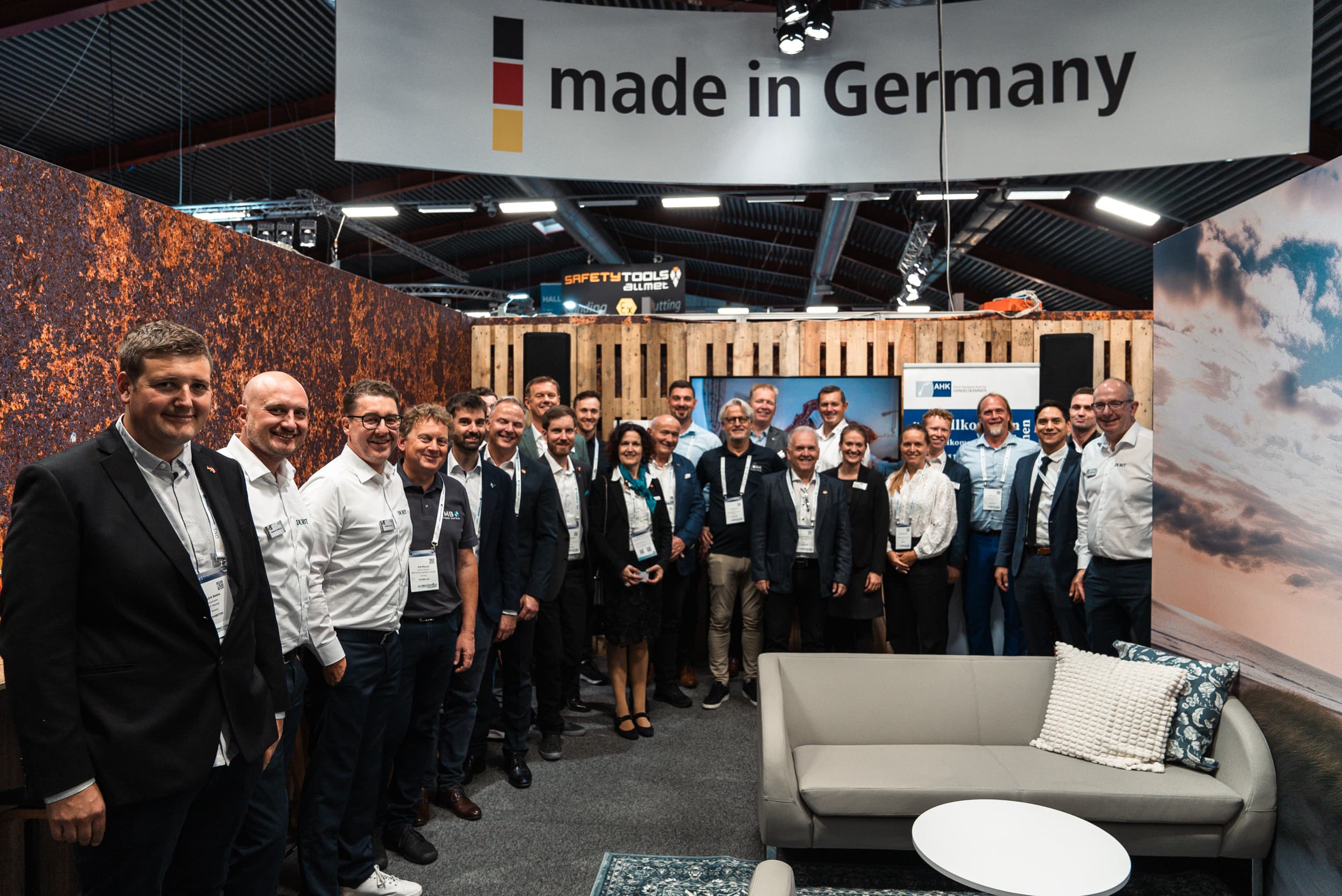
ONS 2024: 40+ stands delivered in Stavanger
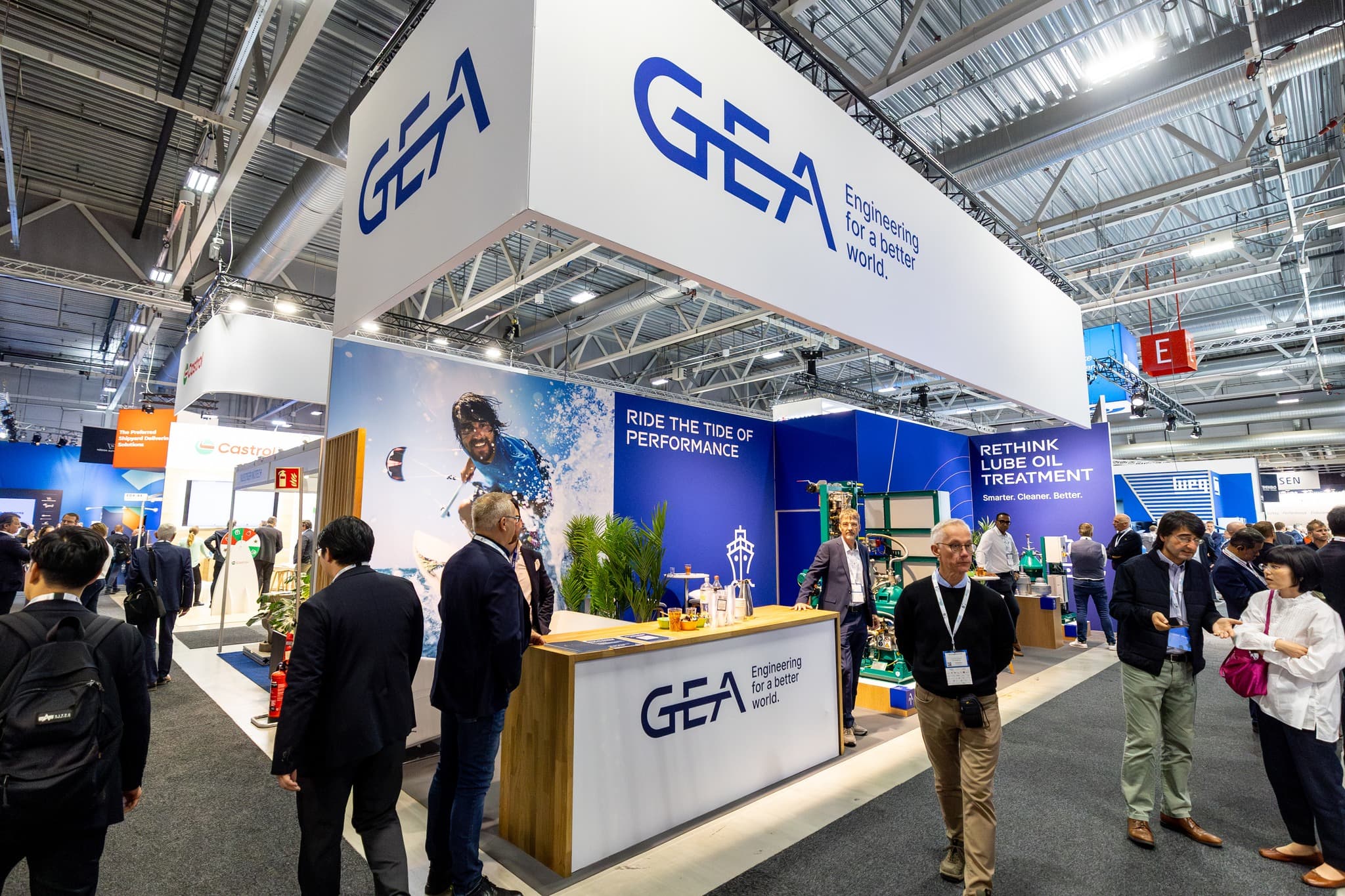
Nor-Shipping 2025: reusable stand solutions for maritime exhibitors
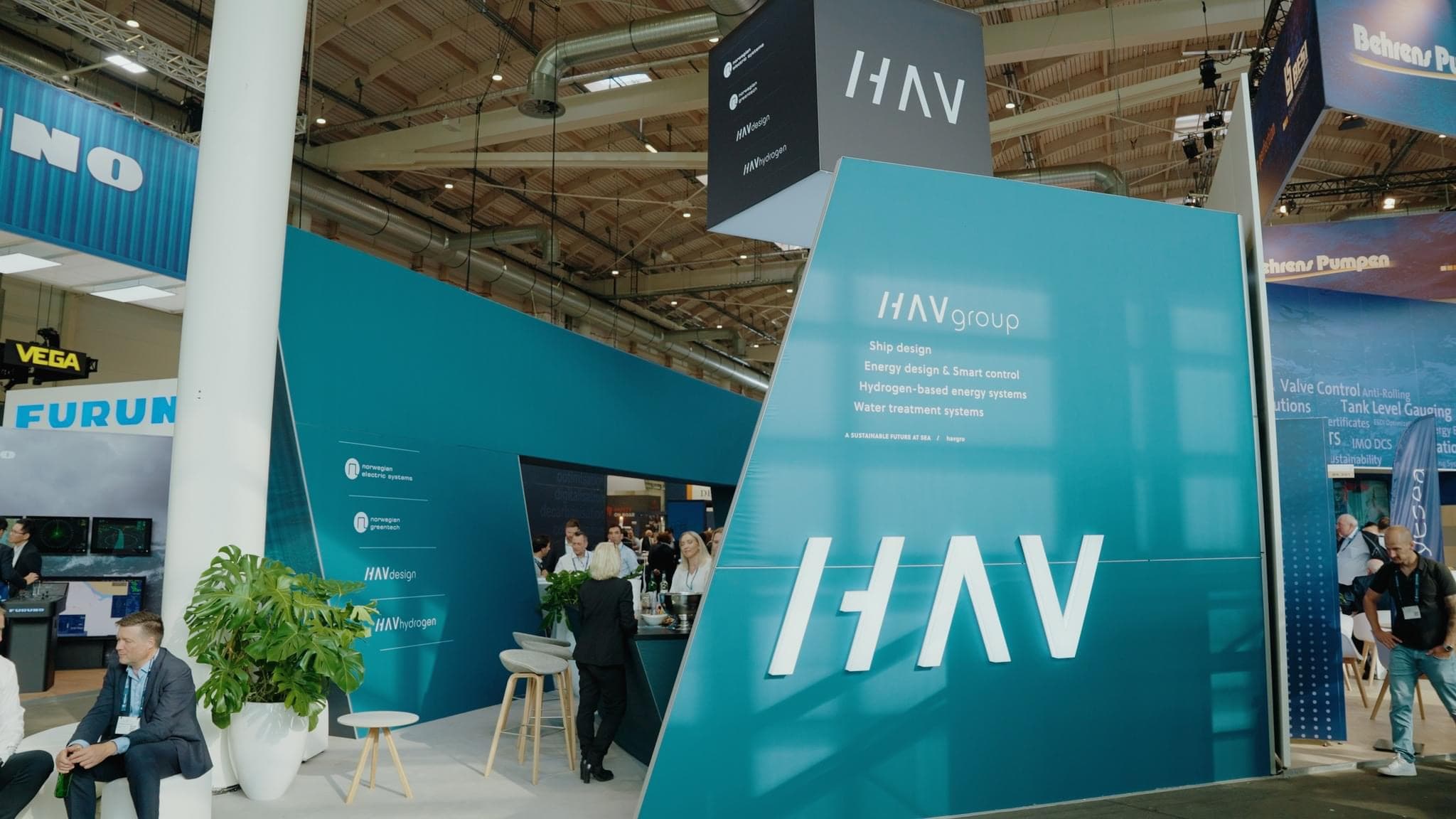
HAV Group at SMM Hamburg 2024: maritime exhibition stand for an international trade show
Stay updated
Subscribe to our newsletter for tips on branding, wrapping and more.