
Car Window Tinting in Norway: Rules, Types and Prices
Window tinting provides better privacy, UV protection and heat rejection for your car. But Norwegian regulations are strict, and there is a lot to consider. Here is a thorough guide covering what is legal, which film types exist, what it costs and how to maintain your tint.
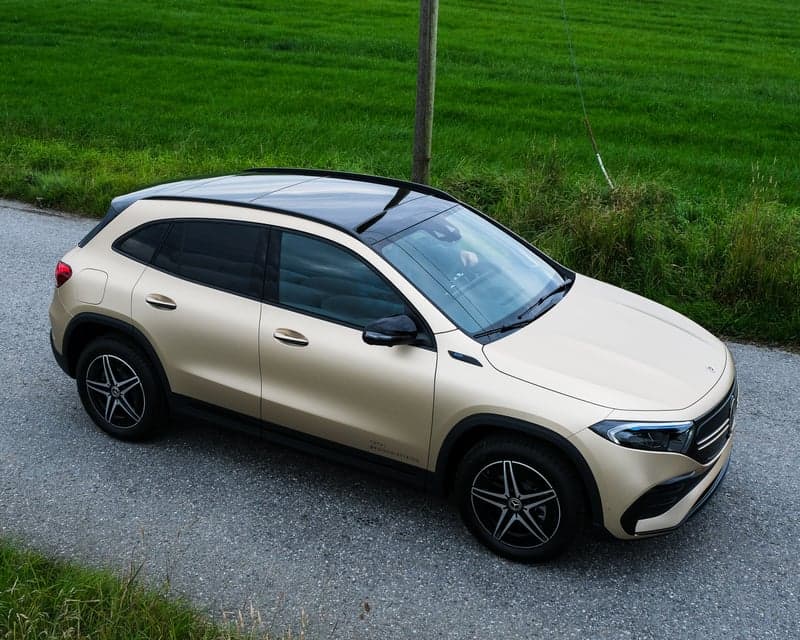
Window tinting has become increasingly popular in Norway. Tinted rear windows provide better privacy, keep the cabin cooler on hot days and protect against UV radiation. But there are strict rules about which windows you can tint. Break them, and you face fines and a roadworthiness prohibition.
Here is everything you need to know about car window tinting in Norway: current regulations, film types, benefits, prices and maintenance.
What Is Window Tinting?
Window tint (known as "solfilm" in Norwegian) is a thin polyester film applied to the inside surface of car windows. The film reduces the amount of light and heat passing through the glass. The darkness level is measured in VLT (Visible Light Transmission), which indicates the percentage of visible light that passes through the film and glass combined. A lower VLT number means a darker tint.
A film with 5% VLT allows only 5% of light through, creating nearly blacked-out windows. A film with 70% VLT is almost transparent and lets most light pass through.
Norwegian Window Tinting Regulations
The rules for window tinting in Norway are defined in the Vehicle Regulations (kjøretøyforskriften) section 31-1. The regulation requires that windows must be sufficiently solid and clearly transparent from both sides, and that objects viewed through them must not appear distorted.
Here are the key rules:
Regulation Overview by Window Position
| Window Position | Tinting Allowed? | Requirements |
|---|---|---|
| Windshield | No (only lightly tinted factory glass) | Min. 75% VLT. Applied film (adhesive or sprayed) is not permitted. |
| Front side windows (ahead of B-pillar) | No | Min. 70% VLT. Applied film is not permitted. |
| Rear side windows (behind B-pillar) | Yes | No light transmission requirements. Any darkness level permitted. |
| Rear window | Yes | No light transmission requirements, but blue emergency vehicle lights must be visible through the rear window. |
Important Clarifications
The regulation distinguishes between lightly tinted factory glass and aftermarket applied film. Factory-tinted windows that meet the light transmission requirements are always legal, as they are part of the type-approved vehicle. However, aftermarket film (adhesive or spray-on) is not permitted on any window ahead of the B-pillar.
In practice, this means you can tint all windows from the rear passenger windows backward to any darkness level you choose. The windshield and two front side windows must remain free of applied film.
What Happens If You Break the Rules?
If you are caught with illegal window tinting, you may face:
- A fine of NOK 2,600 (standard penalty for violating Vehicle Regulations section 31-1)
- An order to remove the tinting within a set deadline
- A roadworthiness prohibition if the driver's visibility is deemed unsatisfactory
- Failed periodic vehicle inspection (EU-kontroll), classified as a category 2 defect that must be corrected
The Norwegian Public Roads Administration (Statens vegvesen) can prohibit use of the vehicle under Road Traffic Act section 36 if the order is not complied with by the deadline.
Medical Exemption
In special cases, a traffic station can grant an exemption for tinting ahead of the B-pillar. This requires a medical certificate documenting a genuine medical need (such as severe light sensitivity). The exemption is recorded as a note in the vehicle registration document.
Types of Window Tint Film
Several types of window film are available, each with different characteristics. Your choice depends on what you prioritise: heat rejection, appearance, durability or price.
| Type | Heat Rejection | UV Protection | Durability | Signal Friendly | Price |
|---|---|---|---|---|---|
| Dyed | Low (approx. 27%) | 99% UV | 3-5 years | Yes | Low |
| Metallic | Moderate | Good | 5-7 years | No (may interfere with GPS/mobile) | Medium |
| Carbon | Good (approx. 40%) | 99% UV | 5-10 years | Yes | Medium-high |
| Ceramic | High (50-70%) | 99% UV | 10+ years | Yes | High |
Dyed Film
The most affordable option. A dye layer absorbs some light and heat, giving windows a darker appearance. Best suited for those who primarily want privacy and a darker look. The downside is that the colour can fade over time, particularly in direct sunlight.
Metallic Film
Contains metallic particles that reflect heat and light. Gives windows a slightly shiny appearance from the outside. Good heat rejection and durability, but can interfere with mobile signals, GPS and DAB radio. Not ideal for modern cars with extensive electronics.
Carbon Film
Uses carbon particles instead of metal. Produces a matte, sleek appearance without metallic reflections. Rejects around 40% of infrared heat and does not fade like dyed film. No interference with electronic signals. A strong middle ground for most car owners.
Ceramic Film
The top choice for performance. Nano-ceramic particles block up to 70% of heat and 99% of UV rays without noticeably reducing visibility. No signal interference, longest lifespan and best optical clarity. It costs the most, but delivers the best value over time.
Benefits of Car Window Tinting
UV Protection
Window tint blocks up to 99% of harmful UV radiation. This protects the skin of the driver and passengers, and prevents dashboards, seats and interior materials from fading and cracking over time. For families with children in the back seat, this is particularly valuable.
Heat Rejection
Ceramic and carbon films can reduce cabin heat by 40-70%. This makes a noticeable difference on warm days and means the air conditioning does not have to work as hard. In an electric vehicle, this can contribute to better range, since the climate system draws power from the battery.
Privacy
Darker rear windows make it harder to see into the car. This gives you and your passengers more privacy and makes the vehicle less attractive to thieves looking for valuables.
Glare Reduction
Window tint softens strong sunlight and oncoming light, making driving more comfortable and safer. Particularly useful during low winter sun or intense summer brightness.
Safety in Glass Breakage
Window film holds glass fragments together if a window shatters. This reduces the risk of injury from flying glass shards in accidents or break-in attempts.
What Does Window Tinting Cost in Norway?
The price varies depending on film type, number of windows and vehicle size. Here are typical price ranges for professional installation in Norway:
| Package | Price Range |
|---|---|
| Rear side windows + rear window (standard film) | NOK 3,000 - 4,500 |
| Rear side windows + rear window (ceramic film) | NOK 4,500 - 7,000 |
| Complete package, all legal windows (standard) | NOK 3,500 - 5,000 |
| Complete package, all legal windows (ceramic) | NOK 5,000 - 8,000 |
All prices are indicative and exclude VAT. The final price depends on vehicle type (window size, number of windows, curvature) and film type.
DIY vs. professional installation: Self-installation costs between NOK 600 and 1,500 for materials, but requires experience and proper tools. Poor installation leads to bubbles, wrinkles and short lifespan. We always recommend professional installation for a result you will be satisfied with.
The Installation Process
Professional window tint installation typically takes 2-4 hours, depending on the number of windows and vehicle type. Here is how the process works:
- Thorough cleaning of all windows to be tinted, inside and out
- Precise cutting of the film to the exact window dimensions
- Heat forming of the film to match the window curvature
- Application using a mounting solution on the inside of the window
- Squeegeeing to remove air and liquid between the film and glass
- Drying for 24-48 hours (do not use the window controls during this period)
Full adhesive curing takes 1-3 weeks depending on temperature and season. During this period, you may see small water droplets or haze between the film and glass. This is normal and disappears on its own.
Maintaining Your Window Tint
With proper care, quality window tint lasts 10 years or more. Here are the key tips:
- Wait at least 3-5 days after installation before lowering the windows
- Use ammonia-free cleaners (ammonia breaks down the adhesive)
- Wash with a soft microfibre cloth, never a scouring pad or abrasive materials
- Avoid pressure washers aimed directly at the film edges
- Park in the shade when possible to extend the lifespan
- Remove bird droppings quickly, as the acid can stain the film
Window Tinting Combined with PPF and Vehicle Wrapping
Window tinting is a natural complement to other vehicle protection services. Many of our customers combine window tinting with PPF (paint protection film) for complete protection of both the paint and interior. PPF protects the paint against stone chips and scratches, while window tint handles UV radiation, heat and privacy.
Considering changing your car's appearance? Vehicle wrapping lets you change the entire body colour, while window tinting adds dark windows that complete the look. Many customers also combine window tinting with chrome delete for a complete blacked-out appearance. See our PPF vs. ceramic coating comparison for more information on paint protection options.
Frequently Asked Questions About Window Tinting
Is it legal to tint the windshield in Norway?
No. Applied window tint film is not permitted on the windshield or front side windows (ahead of the B-pillar) in Norway. Only lightly tinted factory glass that meets light transmission requirements (75% VLT for the windshield, 70% VLT for front side windows) is permitted. Violations result in a NOK 2,600 fine and an order to remove the film.
How dark can the rear windows be?
There is no limit on darkness level for windows behind the B-pillar. You can choose any VLT percentage on the rear side windows and rear window. The only requirement is that blue emergency vehicle lights must be visible through the rear window.
How long does window tint last?
Durability depends on the film type. Dyed film lasts 3-5 years, carbon film 5-10 years and ceramic film 10 years or more. Professional installation and proper maintenance extend the lifespan significantly. Cheap film from unknown manufacturers may start to bubble or fade after just 1-2 years.
Does window tinting affect the periodic vehicle inspection (EU-kontroll)?
Yes, if you have tint film on windows where it is not permitted (windshield or front side windows). This results in a category 2 defect at the inspection, and the film must be removed before the vehicle can pass. Legal tinting behind the B-pillar is not an issue during inspection.
Can I install window tint myself?
You can, but we do not recommend it. Professional installation ensures a result free of bubbles, wrinkles and loose edges. The vast majority of problems with window tint are caused by installation errors. Professionals use the correct tools, controlled temperatures and have experience shaping film to match window curvature.
Ready for Window Tinting?
At Show Off AS in Sandnes, we help you choose the right window tint for your needs. We ensure legal installation using quality film that lasts for years. We also offer PPF protection and vehicle wrapping for complete protection and styling of your car.
Want to know what window tinting costs for your car? Contact us for a free quote. We will advise you on film type, darkness level and what is legally permitted for your specific vehicle.
Why Choose Show Off for Vehicle Wrapping?
Vehicle wrapping only works when prep, material choice, and installation quality all line up. At Show Off, we do this work every week in our temperature-controlled workshop in Sandnes. We use premium film from established suppliers and stay clear about when a full wrap, partial wrap, or simpler branding job is the right solution.
That gives you fewer surprises, cleaner finishing, and a result that holds up in real use, not just on delivery day.
Next Step
Want to know what makes sense for your vehicle and what it will actually cost? See our vehicle wrapping page or contact us for a no-obligation quote.

Christer Rasmussen
Key Account Manager for wrapping, PPF, and specialty products
Christer writes about vehicle wrapping, PPF, paint protection, and product choices based on customer projects, workshop experience, and day-to-day advisory work.
Relevant projects
See real client cases and deliveries closely related to the topic of this guide.

Stay updated
Subscribe to our newsletter for tips on branding, wrapping and more.