Product Labelling With Stickers: Requirements, Materials and Tips
Product labelling with stickers is about more than just a logo. Legal requirements, materials, barcodes and durability all play a role. Here is what you need to know.
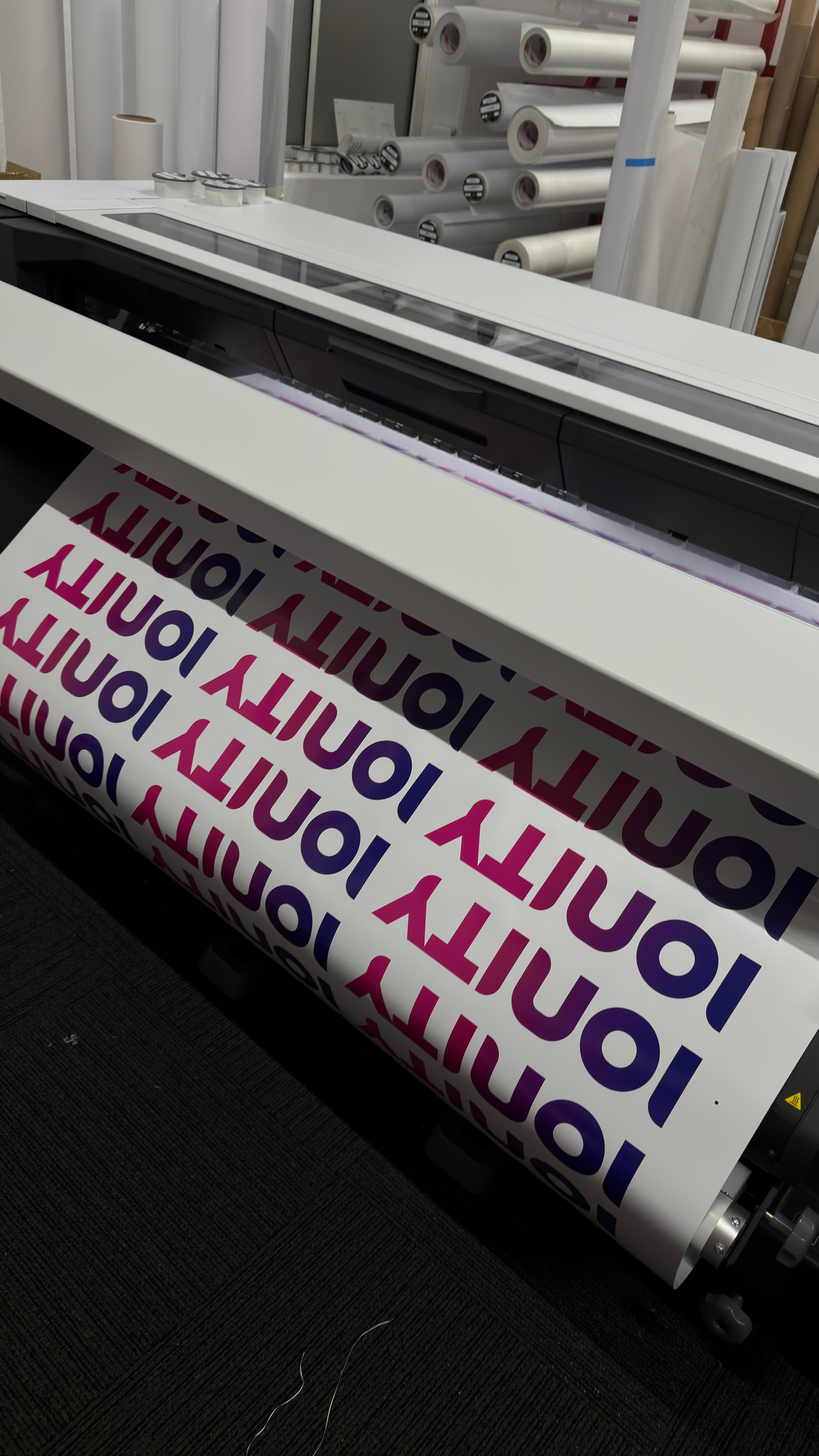
Product labelling is one of the most common applications for stickers and labels. From food products with ingredient lists to technical equipment with serial numbers, labels ensure your products are recognisable, informative and compliant with regulations. For complete deliveries covering machine plates, metal signs, safety marking and durable labels, see industrial and product marking.
What is product labelling?
Product labelling with stickers covers everything from simple logo labels to advanced labels with variable data. Typical applications:
- Content labelling with ingredient lists and nutritional information
- Identification with serial numbers, barcodes and QR codes
- Branding with logo, colours and graphic identity
- Safety with warnings, hazard symbols and usage instructions
- Traceability with batch numbers and production dates
Regulatory requirements
Several industries have specific requirements for product labelling:
Food products
Food regulations require labelling with ingredient list, nutritional information, allergens (highlighted), best-before date, net weight, producer name and country of origin. Labels must withstand refrigeration and freezing temperatures without text fading or peeling.
Chemicals and hazardous substances
The CLP regulation (EU) requires standardised hazard pictograms, signal words and hazard statements. Labels must have a red border with GHS symbols and be resistant to the substances they describe.
Electronics and machinery
CE marking, WEEE symbol (waste handling) and energy labelling are required. Machinery also requires signs with manufacturer, model and safety instructions.
Cosmetics
INCI ingredient list, period-after-opening symbol (jar with number), batch number and producer information. Labels must withstand moisture and potential product leakage.
Materials for product labelling
The choice of material depends on the product and usage conditions.
For food and beverages
Paper with food-grade adhesive is standard for labels on glass, cans and cartons. Products stored in refrigerators or freezers need special adhesive that bonds at low temperatures. For bottles with condensation (e.g. drinks straight from the fridge), we recommend polyester or PP labels that withstand moisture.
For outdoor and industrial use
Vinyl with UV laminate lasts 5-7 years outdoors. For industrial labels that must withstand oil, chemicals and mechanical wear, we use polyester labels with extra strong lamination.
For office and interior
Paper or polyester without laminate gives a clean appearance at low cost. Suitable for labels not exposed to weather, moisture or wear.
Barcodes and QR codes
Labels with barcodes (EAN, UPC) and QR codes require precise printing for scanners to read them correctly.
Barcodes are used for inventory management, point-of-sale systems and logistics. We ensure barcodes are printed with sufficient contrast and resolution for reliable scanning.
QR codes can link to product information, user manuals, registration forms or marketing campaigns. They bridge the gap between the physical product and digital information.
Variable data printing means each sticker can have unique content: different serial numbers, different barcodes or different QR codes. We produce labels with variable data for businesses that need per-unit traceability.
Industry examples
Food and beverage
Ingredient labels for local producers, labels for craft breweries, stickers for honey, jam and local food products. We help with designs that meet labelling requirements while highlighting the brand.
Technology and electronics
Serial number labels, QR codes for support and user manuals, cable labelling for server rooms, and CE marking. Polyester labels that withstand heat and wear.
Construction
HSE stickers with hazard symbols, machine labelling with service instructions, helmet stickers with company logo. Durable materials that withstand construction site conditions.
Healthcare
Sample labelling, pharmaceutical labels, equipment labelling with cleaning instructions. Materials that withstand disinfection and autoclave sterilisation.
Pricing examples for product labels
Prices vary by size, material and quantity. Some typical examples:
- Paper labels 5 x 5 cm, 1,000 pcs: from approx. NOK 1,875 ex. VAT
- Vinyl labels 10 x 5 cm, 500 pcs: from approx. NOK 2,400 ex. VAT
- Polyester labels with laminate 8 x 4 cm, 500 pcs: from approx. NOK 2,100 ex. VAT
For an exact price, use our price calculator or get in touch for a quote based on your specifications.
Tips for effective product labelling
- Start with the regulations: Check which legal requirements apply to your product before designing the label.
- Think readability: Font size, contrast and layout affect whether people actually read the information. Minimum 8pt for legally required text.
- Choose the right adhesive: Standard adhesive works for most surfaces, but glass, metal and plastic may require special adhesive. Tell us what the label will be applied to.
- Test in real conditions: Order a sample and test it under actual storage and usage conditions before ordering a large batch.
- Plan for variants: If you have multiple products, we design a label series with a consistent look that saves time and money.
How to get started
Send us a description of your product and what the label should contain. We help with design, material selection and printing. Contact us for a no-obligation quote, or read more about stickers and decals. For machines, equipment and complete marking systems, visit industrial marking.
Why Choose Show Off for Branded Products and Stickers?
Branding works best when product choice, design, and real use all line up. At Show Off, we help clients choose solutions that will actually be used, not just ordered. We look at audience, budget, print method, lead time, and how the products will be used before we recommend anything.
That gives you branded materials that support the brand instead of turning into forgettable stock.
Next Step
Need help choosing products that fit your audience and budget? See our stickers page, promotional products service, or contact us.

Show Off AS
Editorial team at Show Off
When Show Off AS is listed as the author, the content has been written and reviewed by our internal team working with branding, exhibitions, signage, wrapping, and promotional products.
Stay updated
Subscribe to our newsletter for tips on branding, wrapping and more.