
What Is PPF? The Complete Guide to Paint Protection Film
Paint protection film (PPF) is the gold standard in vehicle paint protection. Learn what it is, how it works, and why GSWF Defender Platinum sets a new benchmark for the industry.
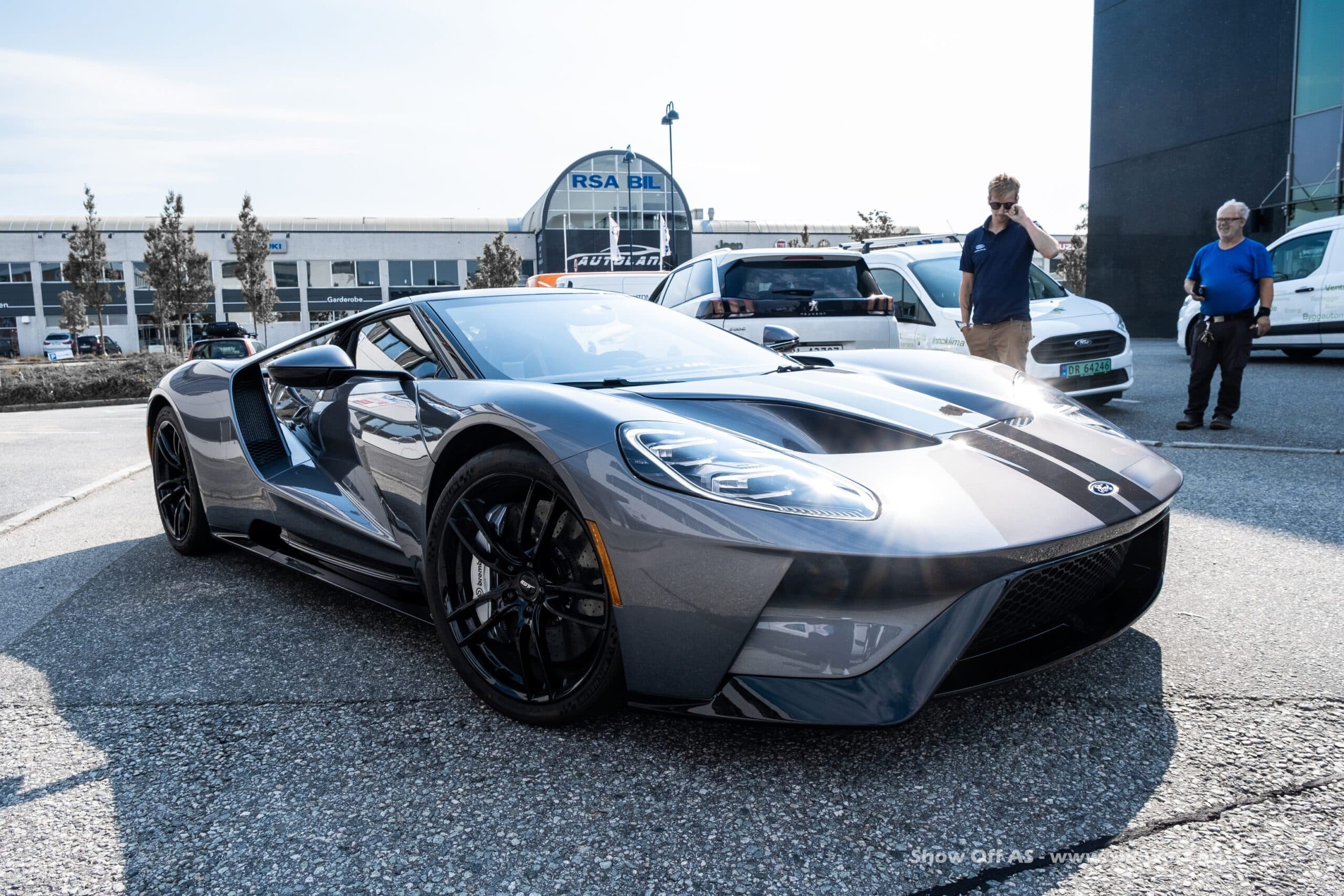
If you have ever cringed at the sound of a stone hitting your car's bonnet on the motorway, you already understand the problem that paint protection film was designed to solve. PPF is the most effective way to protect your vehicle's paintwork from the physical damage that everyday driving inevitably causes.
Ready to get started? See prices and book an appointment on our PPF service page.
In this guide, we cover everything you need to know about PPF, from its military origins to the self-healing technology available today.
What Is Paint Protection Film?
Paint protection film, commonly known as PPF or sometimes "clear bra," is a transparent, thermoplastic polyurethane film applied to the exterior painted surfaces of a vehicle. The film is typically 150-200 microns thick (about the thickness of two sheets of paper) and is virtually invisible once professionally installed.
PPF acts as a sacrificial barrier between the outside world and your car's paint. It absorbs impacts, resists scratches, and prevents chemical damage - all while remaining optically clear and undetectable to the casual observer.
A Brief History: From Battlefields to Bumpers
PPF's origins are not in the automotive industry at all. The technology was first developed by the United States military during the Vietnam War to protect helicopter rotor blades from debris and shrapnel damage. The original films were thick, utilitarian, and not particularly attractive.
Over the following decades, 3M and other manufacturers refined the technology for automotive use. The films became thinner, more optically clear, more conformable to complex shapes, and eventually gained the self-healing properties that define today's premium products.
What started as military-grade protection for helicopter blades is now available to protect your daily driver. The evolution has been remarkable.
What Does PPF Protect Against?
PPF provides comprehensive physical and chemical protection:
Physical Protection
- Stone chips: The primary reason most people invest in PPF. The film absorbs the impact energy from road debris, preventing chips from reaching the paint.
- Scratches and scuffs: Whether from overgrown hedges, careless shoppers with trolleys, or minor parking incidents, PPF prevents surface damage.
- Sand and grit: Fine particles driven by wind or kicked up by other vehicles act like sandpaper on unprotected paint. PPF takes the abrasion instead.
Chemical Protection
- Bird droppings: Highly acidic and capable of etching clear coat within hours. PPF provides a barrier that prevents permanent damage.
- Insect residue: The acidic compounds in bug splatter can stain and etch unprotected paint. PPF makes removal easy and prevents staining.
- Tree sap: Notoriously difficult to remove from bare paint without risking damage. PPF prevents bonding to the actual paint surface.
- Road salt and chemicals: Particularly relevant in Norwegian winters, where salt and de-icing chemicals are used extensively.
Environmental Protection
- UV radiation: PPF blocks harmful UV rays that cause paint to fade and oxidize over time, keeping colours vibrant for years.
- Mineral deposits: Hard water spots from rain or sprinklers can etch into clear coat. PPF provides a sacrificial layer.
GSWF Defender Platinum: The Film We Trust
At Show Off, we have tested and evaluated numerous PPF products over the years. Our film of choice is the GSWF Defender Platinum, and here is why:
Self-Healing Technology
The standout feature of the Defender Platinum is its self-healing top coat. Light surface scratches and swirl marks disappear on their own when the film is exposed to heat. This can happen naturally from sunlight, from warm water during washing, or with a targeted application of a heat gun.
This means your PPF does not accumulate the fine scratches that make unprotected paint look dull and tired over time. The surface continuously renews itself.
Optical Clarity
The Defender Platinum achieves exceptional optical clarity - it is virtually indistinguishable from bare paint once installed. There is no orange peel texture, no yellowing, and no haze. Your car looks exactly as it did from the factory, just with invisible armour.
Superior Conformability
Modern vehicles have increasingly complex body shapes with tight curves, deep recesses, and sharp edges. The Defender Platinum film stretches and conforms to these shapes without distortion, lifting, or stress marks. This is critical for achieving a truly invisible installation.
Stain Resistance
The advanced top coat resists staining from common contaminants. Bird droppings, insect residue, and tree sap can be cleaned off without leaving marks on the film surface.
Longevity
With proper care, GSWF Defender Platinum provides protection for 5-10 years. The film comes with a comprehensive manufacturer warranty, giving you peace of mind that your investment is protected.
Where Should PPF Be Applied?
While full-body PPF coverage provides the ultimate protection, most customers opt for coverage on the most vulnerable areas. Here is a breakdown by protection level:
Essential Coverage (Front-End Package)
- Full bonnet / hood
- Front bumper
- Front fenders (partial or full)
- Mirror caps
- Headlight lenses
This package covers the areas most exposed to stone chips and road debris. It is the most popular and cost-effective PPF package.
Extended Coverage
Everything in the essential package, plus:
- Rocker panels / side skirts
- Rear bumper loading area
- Door edges and door cups
- A-pillars
Full Body Coverage
Complete coverage of every painted surface. This is the ultimate protection level and is most popular with owners of high-end and exotic vehicles.
The Investment Perspective
PPF is an investment, not an expense. Consider these numbers:
- Single stone chip repair: NOK 1,500 - 3,000 per chip
- Panel respray (bonnet): NOK 8,000 - 15,000
- Multiple chip repairs over 5 years: NOK 10,000 - 30,000+
- Front-end PPF package: NOK 12,000 - 18,000 (protects for 5-10 years)
For owners of premium vehicles, the equation is even more compelling. Modern multi-stage paints (metallic, pearlescent, matte factory finishes) are extremely expensive to repair properly. A single panel respray on a premium car can easily exceed NOK 20,000.
PPF also directly protects your resale value. A vehicle with pristine, chip-free paint commands a significantly higher price on the used market. Many buyers of premium vehicles now specifically look for PPF-protected examples.
Professional Installation: Why It Matters
PPF installation is a precision craft. The film must be cut precisely, heated and stretched to conform to complex shapes, squeegeed to remove all air and fluid, and trimmed to achieve invisible edges. This requires:
- Certified installers trained specifically in PPF application
- Climate-controlled, dust-free environment - even a single dust particle trapped under the film is visible
- Professional-grade tools and materials
- Pattern software for precise, vehicle-specific cutting
- Experience with hundreds of installations
A poorly installed PPF can look worse than no PPF at all - visible edges, trapped debris, lifted corners, and premature failure. This is not a product where cutting corners on installation makes sense.
At Show Off, our PPF installation service is performed exclusively by certified professionals in our climate-controlled facility in Sandnes. Every installation is inspected under controlled lighting before the vehicle is released.
Frequently Asked Questions
Can PPF be removed?
Yes. Professional-grade PPF is designed to be removed without damaging the underlying paint. When it is time for replacement (after 5-10 years), the film is heated and peeled off, revealing the protected paint beneath.
Will PPF yellow over time?
Not with premium films. Older and budget PPF products were prone to yellowing, but modern films like GSWF Defender Platinum incorporate UV stabilizers that prevent discolouration throughout their lifespan.
Can PPF be applied over a wrapped car?
Yes. PPF can be applied over vinyl wraps to protect the wrap itself. This is a popular option for protecting high-impact areas on wrapped vehicles.
How long does installation take?
Depending on the coverage level, PPF installation takes 1-5 days. A front-end package typically requires 1-2 days, while full body coverage may need 4-5 days.
Can I wax or polish PPF?
You can apply PPF-safe sealants and coatings. Avoid abrasive polishes or compounds, and never use traditional carnauba wax on matte or satin PPF finishes.
How Much Does PPF Cost?
The price depends on vehicle size and coverage level. Here are the prices from our PPF calculator:
| Package | Sedan/Tesla | SUV | Supercar |
|---|---|---|---|
| Front Kit (bonnet, bumper, fenders) | NOK 15,900 | NOK 19,800 | NOK 25,550 |
| Track Pack (+ rockers, wheel arches) | NOK 21,900 | NOK 25,900 | NOK 31,450 |
| Full wrap (entire car) | NOK 40,000 | NOK 50,000 | NOK 55,000 |
All prices ex. VAT. Add-ons: mirror caps NOK 1,490, rear bumper loading area NOK 990, door sills NOK 1,990.
Use the price calculator on our PPF page to get the exact price for your vehicle.
Protect Your Investment with Show Off
Your car's paintwork is under constant attack from the roads, weather, and daily driving. PPF is the only product that provides genuine, comprehensive physical protection.
Read more:
At Show Off in Sandnes, we combine the best film technology (GSWF Defender Platinum) with certified professional installation to deliver results that are truly invisible.
Book a consultation, or calculate the price yourself with our PPF calculator.
Why Choose Show Off for PPF?
PPF is only as good as the prep work, the installation environment, and the package you choose. At Show Off, we install PPF in controlled conditions, work with quality film, and help customers choose the right coverage instead of pushing a bigger package than they need.
That matters most on lease cars, heavily driven cars, and vehicles with exposed front ends. If the film is meant to protect for years, the work has to be right from the start.
Next Step
Not sure how much coverage you need? See our PPF service or contact us for a practical recommendation and quote.

Christer Rasmussen
Key Account Manager for wrapping, PPF, and specialty products
Christer writes about vehicle wrapping, PPF, paint protection, and product choices based on customer projects, workshop experience, and day-to-day advisory work.
Need help deciding?
PPF vs. Ceramic Coating: What Suits Your Car?
Comparison of paint protection film and ceramic coating. Pros, cons, durability, and prices side by side.
Stay updated
Subscribe to our newsletter for tips on branding, wrapping and more.